






























Description
🔗 Precise Connection For Micro-Irrigation Lines
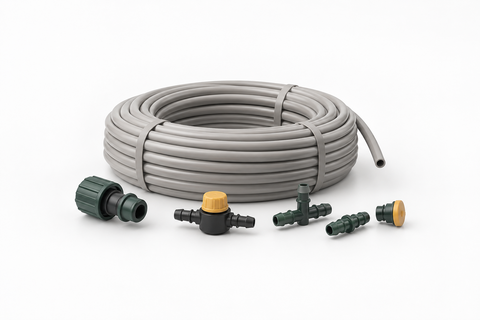
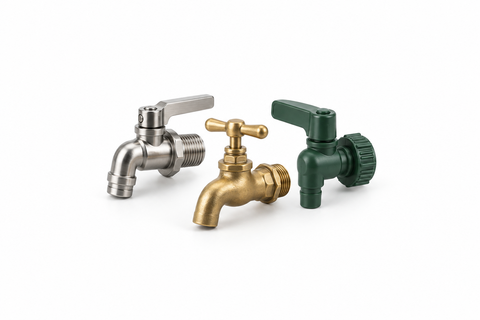
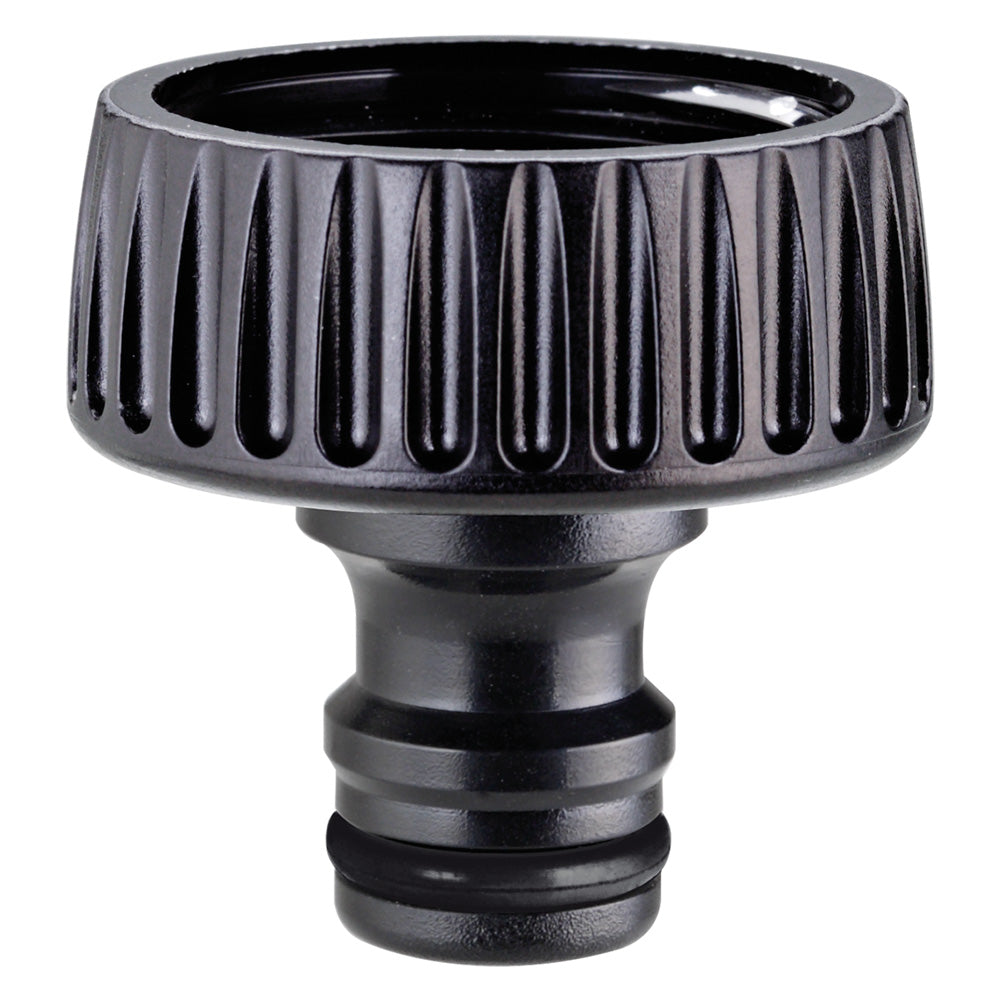
Tap Connector has been selected to methodically address tasks related to connecting, repairing, branching, and controlling pipes and water points for irrigation. This product from Claber is presented with useful data to compare its function, measurements, and operating conditions, without resorting to unforeseen adaptations.
For Tap Connector, the declared configurations include: Art. 8626 - 3/4; Art. 8627 - 3/4 blister; Art. 8628 - 1; Art. 8629 - 1 blister. Identifying the correct version before purchase allows for evaluation of its size, capacity, and compatibility with the equipment or intended environment.
✅ Specific Benefits of Use
The practical value comes from the ability to choose a configuration consistent with the actual work. In the case of the Tap Connector, the main benefit is that it allows for building or modifying the circuit with a connection consistent with the required measurements and function.
- Targeted efficiency: creation of specific bends and branches.
- Technical control: verifiable seal after assembly.
- Operational practicality: accessible maintenance of connection points.
- Informed choice: modular configuration of the irrigation network.
The performance of the Tap Connector must be evaluated in real-world use, after verifying assembly, adjustment, and compatibility.
🧱 Materials, Structure, and Construction
Materials and construction determine how the product reacts to wear and the environment. For Tap Connector, the detectable materials are those declared in the manufacturer's technical data sheet. Body, ferrules, rings, and sealing surfaces must withstand the intended pressure and maintain geometry and tightness during operation.
The available technical information for Tap Connector specifies: With quick connector. Complete with sealing gasket. Before use, check surfaces, fasteners, edges, and functional parts, avoiding modifications that could alter strength or compatibility.
⚙️ Technical Data and Operational Function
Technical differences between versions directly impact the field of application. For Tap Connector, diameter, threading, connection type, nominal pressure, and fitting geometry must match the pipes and system components. Variants should be compared considering the characteristics of the machine, the nature of the material to be treated, and the required performance level.
The function of Tap Connector is oriented towards connecting, repairing, branching, and controlling pipes and water points for irrigation. The described configuration includes Art. 8626 - 3/4; Art. 8627 - 3/4 blister; Art. 8628 - 1; Art. 8629 - 1 blister; the manufacturer's manual remains the reference for limits, assembly, adjustments, and necessary protective devices.
🔧 Preparation and Method of Use
Use must begin with a complete check of the area and the product. When using Tap Connector, use protective devices consistent with the activity and prevent access to the operating area by uninvolved persons or animals.
- Measure pipe and thread before assembly.
- Cut the pipe perpendicularly and clean the end.
- Insert each element in the intended sequence.
- Tighten evenly without damaging threads or ferrules.
- Pressurize gradually and check each joint.
Tap Connector must operate without unusual vibrations, loosening, or sudden variations: in these cases, stop the activity.
🧼 Cleaning, Storage, and Maintenance
For Tap Connector, storage and cleaning directly impact long-term reliability. Inspect ferrules, threads, and gaskets, remove dirt and residue from the seats, and protect disassembled fittings from impacts, frost, and contamination.
Orderly storage of the Tap Connector facilitates subsequent inspection and prevents avoidable deformation or deterioration.
🏡 Professional Applications
For Tap Connector, the main application includes connection, branching, reduction, bending, closing, and water distribution in systems for vegetable gardens, gardens, greenhouses, and crops. The specific technical reference is: With quick connector. Complete with sealing gasket. It can be found in the equipment of demanding private users, green space maintenance workers, and professional operators when characteristics and working conditions are compatible.
Before using the Tap Connector in a new situation, compare materials, stresses, and limits with the technical documentation.
🎯 How to Identify the Correct Version
There is no single configuration suitable for every situation. For Tap Connector, note the pipe's outer diameter, thread size and type, nominal pressure, male or female configuration, and line direction. A similar measurement does not guarantee a correct seal.
Comparing the Tap Connector with the manual, connections, and actual dimensions before purchase avoids unauthorized modifications.
WHY CHOOSE IT?
It represents a concrete solution because the Tap Connector allows for building or modifying the circuit with a connection consistent with the required measurements and function. The description highlights the parameters that help understand where it can offer a concrete advantage.
Those who choose the Tap Connector can rely on clear parameters to organize their work and evaluate the expected result.