









































Description
🔨 Reliable Fastening With Flat Head
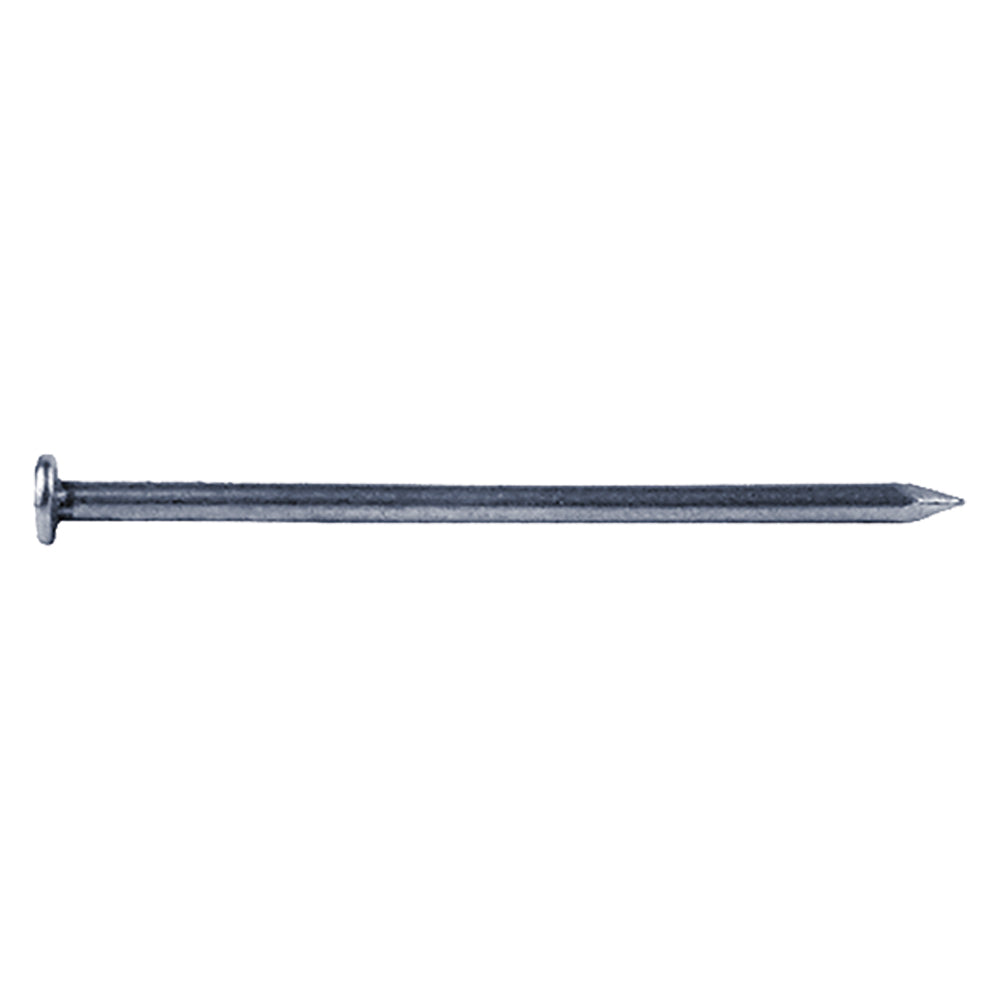
Flat Head Nails meet the needs of professionals and individuals involved in wood fastening and compatible construction, handicraft, agricultural, and maintenance work. This offering belongs to the professional LIF selection and is presented with useful data to compare function, measurements, and operational conditions, without resorting to unforeseen adaptations.
For Flat Head Nails, the declared configurations include: TP 17 x 55; mm 18 x 80; mm 24 x 200. Identifying the correct version before purchase allows for an assessment of bulk, capacity, and compatibility with the equipment or intended environment.
✅ Specific Benefits Of Use
The correct configuration supports operational continuity and quality of results. In the case of Flat Head Nails, the main benefit is linked to creating a simple mechanical connection with a head that retains the material on the surface.
- Targeted efficiency: flat head to retain the piece.
- Technical control: selectable packaging formats.
- Operational practicality: installation with common adequate tools.
- Conscious choice: versatile use in compatible processes.
The behavior of Flat Head Nails can change with material, adjustment, and intensity of use: initial verification therefore remains essential.
🧱 Materials, Structure And Construction
Perceived quality also depends on the consistency between material and function. For Flat Head Nails, the detectable materials are metal. Shank, point, and head must maintain linearity and integrity to penetrate the support without bending or detachment.
The available technical information for Flat Head Nails specifies: Points made from low carbon steel. Points made from structural carbon steel. Before use, check surfaces, fasteners, edges, and functional parts, avoiding modifications that could alter strength or compatibility.
⚙️ Technical Data And Operational Function
Technical differences between versions directly affect the field of use. For Flat Head Nails, diameter, length, head shape and width, material, finish, and package weight define the field of use and hold. Variants must be compared considering the characteristics of the machine, the nature of the material to be treated, and the required performance level.
The function of Flat Head Nails is geared towards wood fastenings and compatible construction, handicraft, agricultural, and maintenance work. The described configuration includes TP 17 x 55; mm 18 x 80; mm 24 x 200; the manufacturer's manual remains the reference for limits, assembly, adjustments, and necessary protective devices.
🔧 Preparation And Method Of Use
Adhering to the operational sequence is essential for controlled work. When using Flat Head Nails, use protective devices consistent with the activity and prevent access to the operational area by uninvolved persons or animals.
- Measure materials and available depth.
- Choose the correct diameter and length.
- Avoid edges and fragile areas.
- Start the nail perpendicularly.
- Tap progressively until seated.
Continuous operation with Flat Head Nails is only possible in the absence of play, vibrations, and signs of abnormal wear.
🧼 Cleaning, Storage And Maintenance
For Flat Head Nails, proper post-work care extends the useful life of the components. Store in a dry place, separate sizes and finishes, and do not use bent, corroded, or tip-damaged elements.
Before storing Flat Head Nails, remove residues, allow materials to dry, and separate any damaged components.
🏡 Professional Application Areas
For Flat Head Nails, the primary application includes fastenings on wood and specifically compatible construction, handicraft, agricultural, and maintenance work. The specific technical reference is: Points made from low carbon steel. Points made from structural carbon steel. It can be found in the toolkit of demanding private individuals, green space maintainers, and professional operators when characteristics and working conditions are compatible.
For Flat Head Nails, environment, frequency, and material treated affect the result; any different use must be verified beforehand.
🎯 How To Identify The Correct Version
No single configuration is suitable for every situation. For Flat Head Nails, match length and diameter to thickness, substrate hardness, and load. A wide head distributes support more broadly; the galvanized version is distinct from the untreated one.
Do not rely solely on similarity: Flat Head Nails must correspond to the model, measurements, and function reported by the manufacturer.
WHY CHOOSE IT?
It stands out because Flat Head Nails create a simple mechanical connection with a head that retains the material on the surface. The description highlights the parameters that help to understand where it can offer a concrete advantage.
Flat Head Nails are dedicated to those who seek functionality, control, and technical consistency in a carefully selected solution.