































Description
Controlled Cutting In Practical Activities
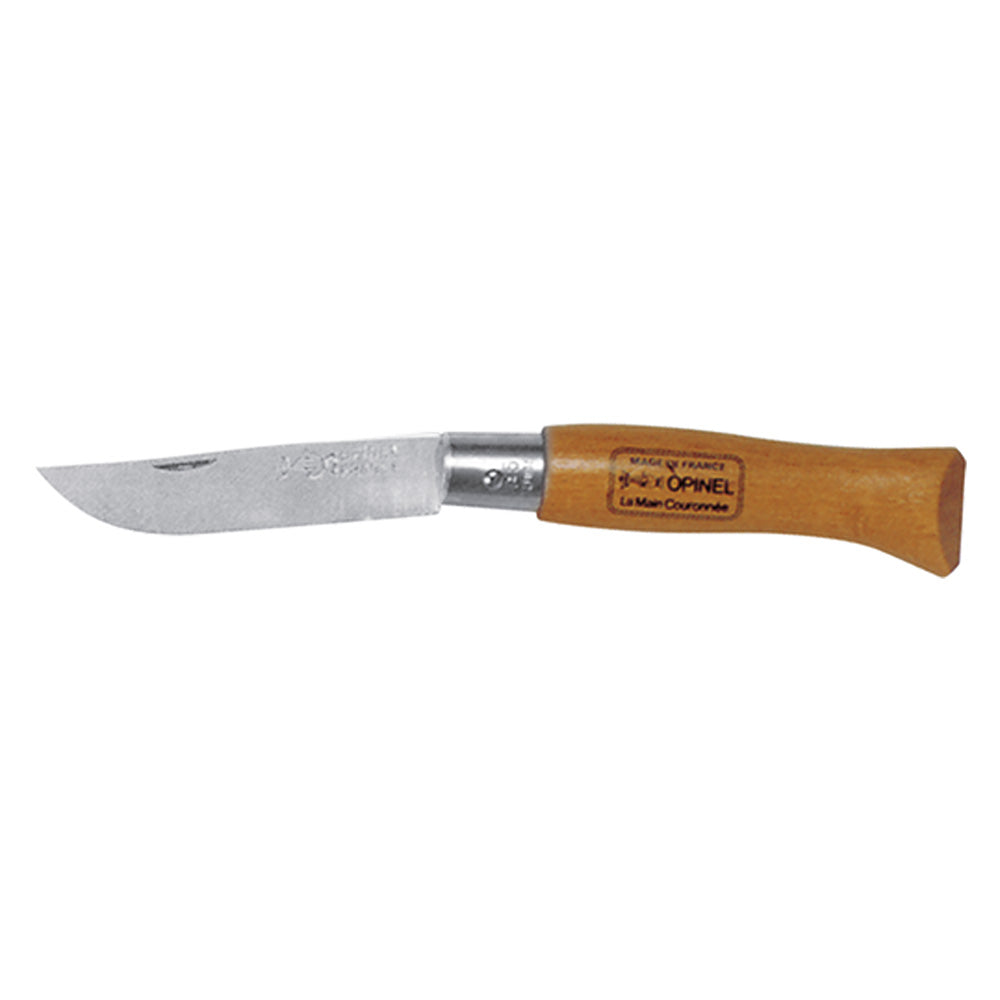
The 'Classic' Knife was created to offer a concrete solution for those who need to manage controlled cutting in practical, hiking, agricultural, or maintenance activities as specified by the model. This offering is from Opinel and is presented with useful data to compare function, measurements, and operating conditions, without resorting to unforeseen adaptations.
For the 'Classic' Knife, the declared configurations include: No. 4 - 50 mm blade with keyring; No. 2 - 35 mm blade with keyring. Identifying the correct version before purchase allows for an assessment of bulk, capacity, and compatibility with equipment or the intended environment.
✅ Specific Benefits In Use
In daily use, benefits mainly related to precision and correct selection emerge. In the case of the 'Classic' Knife, the main benefit is that it offers a specific and controllable cutting tool when the model, handle, and blade are chosen based on their function.
- Targeted efficiency: blade sized for the intended use.
- Technical control: ergonomic grip according to the model.
- Operational practicality: verifiable mechanism.
- Informed choice: materials resistant to normal maintenance.
Precise assembly and an appropriate environment allow the 'Classic' Knife to operate without undue stress.
🧱 Materials, Structure, And Construction
The choice of materials affects resistance, maintenance, and operational behavior. For the 'Classic' Knife, the observable materials are metal and wood or bamboo. The blade, pivot, stop, handle, and accessories must remain intact; sharpening and maintenance must be performed using compatible techniques and adequate protection.
The available technical information for the 'Classic' Knife specifies: High-carbon steel blade. Wooden handle, without a safety ring. Before use, check surfaces, fastenings, edges, and functional parts, avoiding modifications that could alter resistance or compatibility.
⚙️ Technical Data And Operational Function
Measurements and functional characteristics are not secondary details, but rather selection criteria. For the 'Classic' Knife, the blade's shape and length, steel, sharpening, locking mechanism, handle, functions, and sheath distinguish the use of each model. Variants should be compared considering the machine's characteristics, the nature of the material to be processed, and the required performance level.
The function of the 'Classic' Knife is oriented towards controlled cutting in practical, hiking, agricultural, or maintenance activities as specified by the model. The described configuration includes No. 4 - 50 mm blade with keyring; No. 2 - 35 mm blade with keyring; the manufacturer's manual remains the reference for limits, assembly, adjustments, and necessary protective devices.
🔧 Preparation And Method Of Use
Each use requires assembly, adjustment, and preliminary testing. When using the 'Classic' Knife, use protective equipment consistent with the activity and prevent unauthorized persons or animals from accessing the operating area.
- Check integrity and sharpness.
- Clear the cutting area.
- Grip firmly.
- Cut by moving the blade away from the body.
- Clean, close, and store safely.
During use of the 'Classic' Knife, check stability, noise, and the quality of the result; any anomaly requires immediate cessation of use.
🧼 Cleaning, Storage, And Maintenance
For the 'Classic' Knife, regular cleaning and checks prevent small residues from becoming a cause of wear. Clean and dry after use, protect the edge, lubricate the mechanism when required, and store closed or in its sheath, out of unauthorized reach.
Before storing the 'Classic' Knife, remove residues, allow materials to dry, and separate any damaged components.
🏡 Professional Use Cases
For the 'Classic' Knife, the primary intended use includes outdoor activities, camping, hiking, gathering, maintenance, and permitted and compatible practical work. The specific technical reference is: High-carbon steel blade. Wooden handle, without a safety ring. It can be part of the equipment of demanding private individuals, landscape maintenance workers, and professional operators when characteristics and working conditions are compatible.
Before using the 'Classic' Knife in a new situation, compare materials, stresses, and limits with the technical documentation.
🎯 How To Identify The Correct Version
The best version is one that is consistent with the machine, material, and frequency of use. For the 'Classic' Knife, choose dimensions, blade type, locking system, grip, and functions based on the actual work, complying with applicable regulations on purchase, transport, and use.
Before assembling the 'Classic' Knife, check all technical references and seek qualified assistance in case of uncertainty.
WHY CHOOSE IT?
It represents a concrete proposal because the 'Classic' Knife offers a specific and controllable cutting tool when the model, handle, and blade are chosen based on their function. The description highlights the parameters that help understand where it can offer a tangible advantage.
The 'Classic' Knife proves valuable when used consciously, based on compatibility, maintenance, and accurate preparation.