




























































Description
🧵 Metallic Wire For Tensioning, Fastening And Binding
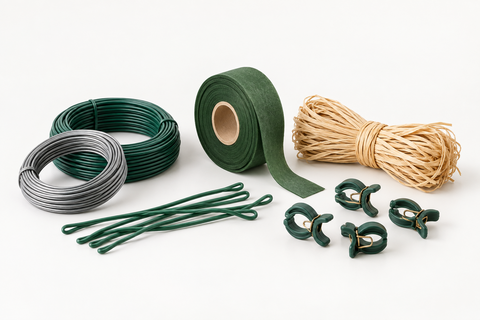
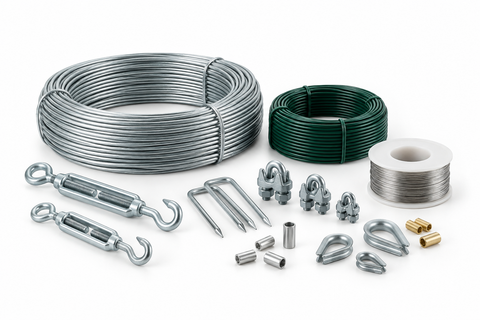
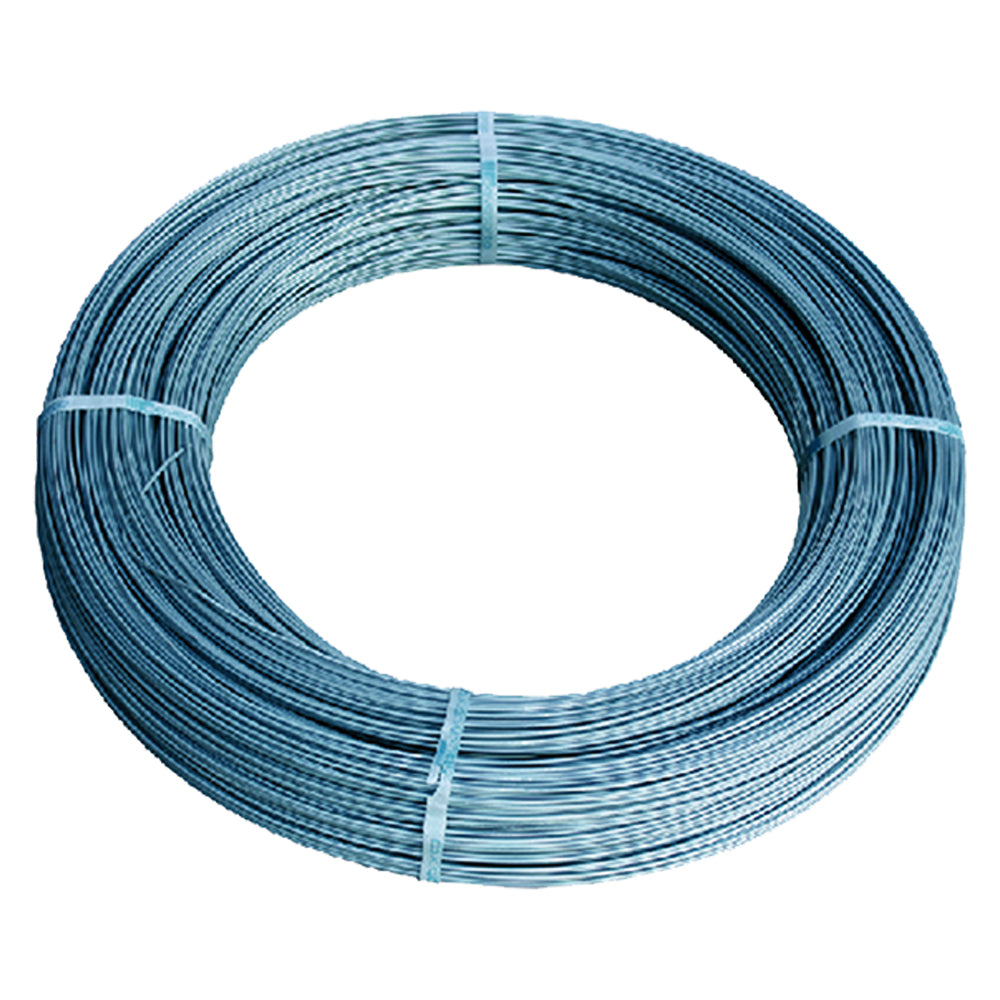
Galvanized Iron Wire meets the needs of operators and individuals involved in tensioning, fastening, binding, and compatible operations in agriculture, construction, and maintenance. The proposal comes from Sidex and is presented with useful data to compare function, measurements, and operating conditions, without resorting to unforeseen adaptations.
For Galvanized Iron Wire, the declared configurations include: N. 12 mm 1.8; N. 14 mm 2.2; N. 16 mm 2.7; N. 17 mm 3.0; N. 18 mm 3.5. Identifying the correct version before purchase allows for assessing bulk, capacity, and compatibility with the equipment or intended environment.
✅ Specific Benefits Of Use
The user can compare the decisive elements before starting work. In the case of Galvanized Iron Wire, the main benefit is that it offers a continuous and malleable element that can be selected according to size and finish.
- Targeted efficiency: available in spool or coil formats.
- Technical control: finishes suitable for specific conditions.
- Operational practicality: cutting to the necessary length.
- Informed choice: use in fences and bindings.
With Galvanized Iron Wire, the quality of the result and durability depend on accurate installation, area conditions, and adherence to declared limits.
🧱 Materials, Structure And Construction
Materials and construction determine how the product reacts to wear and the environment. For Galvanized Iron Wire, the detectable materials are metal. The surface, coating, and continuity of the wire must be protected from tight bends, abrasions, and unforeseen corrosion.
The technical information available for Galvanized Iron Wire specifies: Made of hot-dip galvanized steel. Before use, check surfaces, fasteners, edges, and functional parts, avoiding modifications that could alter strength or compatibility.
⚙️ Technical Data And Operational Function
Careful reading of the specifications avoids improper assembly and ineffective use. For Galvanized Iron Wire, diameter, commercial number, length, weight, surface treatment, and flexibility determine strength and workability. The variants must be compared considering the characteristics of the machine, the nature of the material to be processed, and the required performance level.
The function of Galvanized Iron Wire is oriented towards tensioning, fastening, binding, and compatible operations in agriculture, construction, and maintenance. The described configuration includes N. 12 mm 1.8; N. 14 mm 2.2; N. 16 mm 2.7; N. 17 mm 3.0; N. 18 mm 3.5; the manufacturer's manual remains the reference for limits, assembly, adjustments, and necessary protective devices.
🔧 Preparation And Method Of Use
Careful preparation makes work smoother and reduces unforeseen events. When using Galvanized Iron Wire, use protective devices consistent with the activity and prevent access to the operational area by uninvolved persons or animals.
- Define function and expected load.
- Choose diameter and finish.
- Lock the spool before cutting.
- Tension or shape gradually.
- Fold and protect the ends.
Continuous operation with Galvanized Iron Wire is only possible in the absence of play, vibrations, and signs of abnormal wear.
🧼 Cleaning, Storage And Maintenance
For Galvanized Iron Wire, regular maintenance preserves functionality and precision. Keep spools and coils dry, prevent uncontrolled unwinding, and protect cut ends.
Maintenance of Galvanized Iron Wire does not require improvised interventions: use only compatible methods and products.
🏡 Professional Application Areas
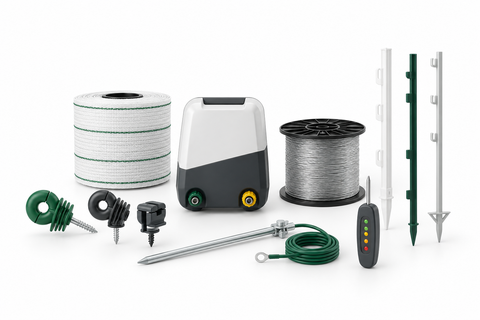
For Galvanized Iron Wire, the main application includes tensioning of fences, bindings, fastenings, and compatible agricultural, craft, or construction work. The specific technical reference is: Hot-dip galvanized steel. It can be found in the equipment of demanding individuals, landscape maintainers, and professional operators when characteristics and working conditions are compatible.
The suitability of Galvanized Iron Wire remains linked to the declared context and cannot be deduced solely from the appearance of the product.
🎯 How To Identify The Correct Version
There is no single configuration suitable for every situation. For Galvanized Iron Wire, compare actual diameter, length, galvanization, plastic coating, annealed or harmonic state, and required strength. Do not use a binding wire as a structural element without verification.
Before installing Galvanized Iron Wire, check all technical references and seek qualified assistance in case of uncertainty.
WHY CHOOSE IT?
It represents a concrete proposal because Galvanized Iron Wire offers a continuous and malleable element that can be selected according to size and finish. The description highlights the parameters that help understand where it can offer a concrete advantage.
Galvanized Iron Wire finds value in conscious use, based on compatibility, maintenance, and accurate preparation.