



Description
🌿 Professional Solution For Agricultural Work
Lif Hay Fork is a product from LIF in the Forks and Rakes category, designed for those seeking a concrete solution for manual soil cultivation, material handling, and orderly maintenance of agricultural surfaces. The configuration should be chosen considering the work to be performed, the operating environment, and the characteristics of any attached equipment.
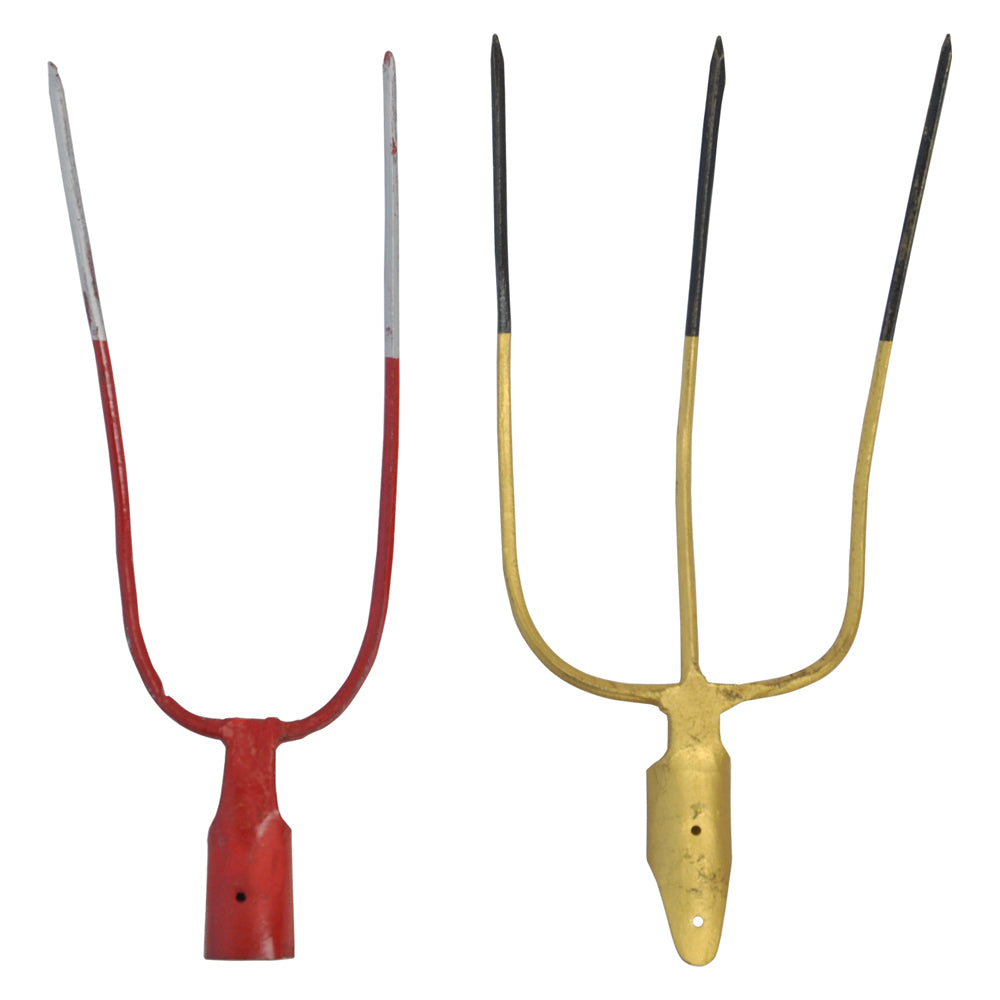
The options declared by the manufacturer include: 2 tines; 3 tines. This information allows for comparing measurements, capacities, and functions before purchase, reducing the risk of choosing an unsuitable component or a version inconsistent with one's needs.
✅ Concrete Benefits For The User
The product is designed to make activities related to manual soil cultivation, material handling, and orderly maintenance of agricultural surfaces more effective and organized. A correct choice allows for working with greater precision, limiting repeated interventions, and using a solution proportionate to real conditions.
- Greater efficiency: promotes more rational management of normal operations.
- Operational control: shape, dimensions, and functional components help maintain precision during work.
- Versatility: suitable for environments and applications for which it is expressly compatible.
- Reliability of use: structure and materials are intended for activities specified by the manufacturer.
- Informed choice: technical characteristics allow for evaluating the product against the desired outcome.
🧱 Materials, Structure And Composition
The materials identifiable from the technical information are metal. The composition must be evaluated in relation to loads, wear, outdoor exposure, contact with soil, vegetation, liquids or food, and storage methods. The manufacturer states: In forged steel.
⚙️ Technical And Functional Characteristics
Technical characteristics depend on the selected configuration. Measurements, lengths, diameters, power, capacity, power supply, attachments, and included components must be compared when pertinent. These elements help identify the most suitable solution given the intensity of work, the affected surface, and the required performance.
The main function is related to manual soil cultivation, material handling, and orderly maintenance of agricultural surfaces. For spare parts and accessories, it is essential to check the model, attachment, and dimensions of the main equipment; for machines and tools, it is necessary to evaluate power supply, power, autonomy, working width, adjustment systems, and safety devices. The manufacturer's manual remains the reference for assembly, start-up, and usage limits.
🔧 Usage And Application Methods
Prepare the work area by removing obstacles and conditions that could compromise stability, precision, or safety. Use appropriate personal protective equipment for the activity and use the product without forcing, respecting the position, working direction, and manufacturer's instructions.
- Check integrity, measurements, and included components.
- Verify compatibility with the machine, support, material, or planned operation.
- Perform assembly and adjustment with appropriate tools.
- Conduct a controlled test before continuous use.
- Maintain a stable posture and a safe distance from the operating area.
- Stop work in the presence of damage, instability, or abnormal behavior.
Correct use improves the result and limits premature wear. When blades, motors, batteries, pressure, or moving parts are present, fully follow the safety procedures indicated by the manufacturer.
🧼 Cleaning, Checks And Maintenance
After use, remove soil, plant residues, dust, or moisture using methods compatible with the material. Metal parts must be dried; blades, work surfaces, fasteners, and connections should be checked periodically. Electrical or motorized components must not be washed with water jets.
Store the product in a dry, clean, and shock-protected environment. Batteries, cables, filters, gaskets, blades, and transmission components must be checked according to the intervals indicated in the manual. Regular maintenance helps preserve precision, functionality, and durability.
🏡 Areas Of Use And Compatibility
The product can support manual soil cultivation, material handling, and orderly maintenance of agricultural surfaces in farms, vegetable gardens, vineyards, orchards, greenhouses, livestock farms, cellars, workshops, or maintenance areas, provided the application is consistent with the declared purpose. Suitability depends on operating conditions and the chosen configuration.
🎯 How To Choose The Most Suitable Configuration
The choice must start from the work to be performed and the frequency of use. It is useful to compare dimensions, material, capacity, attachment type, working range, and characteristics of any attached machine. Accurate verification avoids improper assembly and allows for full utilization of the intended performance.
Also consider the area's extension, activity intensity, available space, environmental conditions, and the operator's experience level. Included accessories must meet actual needs. In case of doubt, compare the data with the manual or request a qualified technical verification.
WHY CHOOSE IT?
Because Lif Hay Fork offers a professional solution for manual soil cultivation, material handling, and orderly maintenance of agricultural surfaces, with features presented clearly to facilitate an informed choice. Materials, dimensions, and functions allow for evaluating its suitability for the work and operating conditions.
It is suitable for those seeking practicality, precision, and operational continuity. If chosen, adjusted, and used correctly, it helps improve work quality and equipment efficiency. A concrete proposal for demanding private individuals, agricultural companies, maintenance workers, and professionals.