





















































Description
📍 Structural Support for Fences and Gates
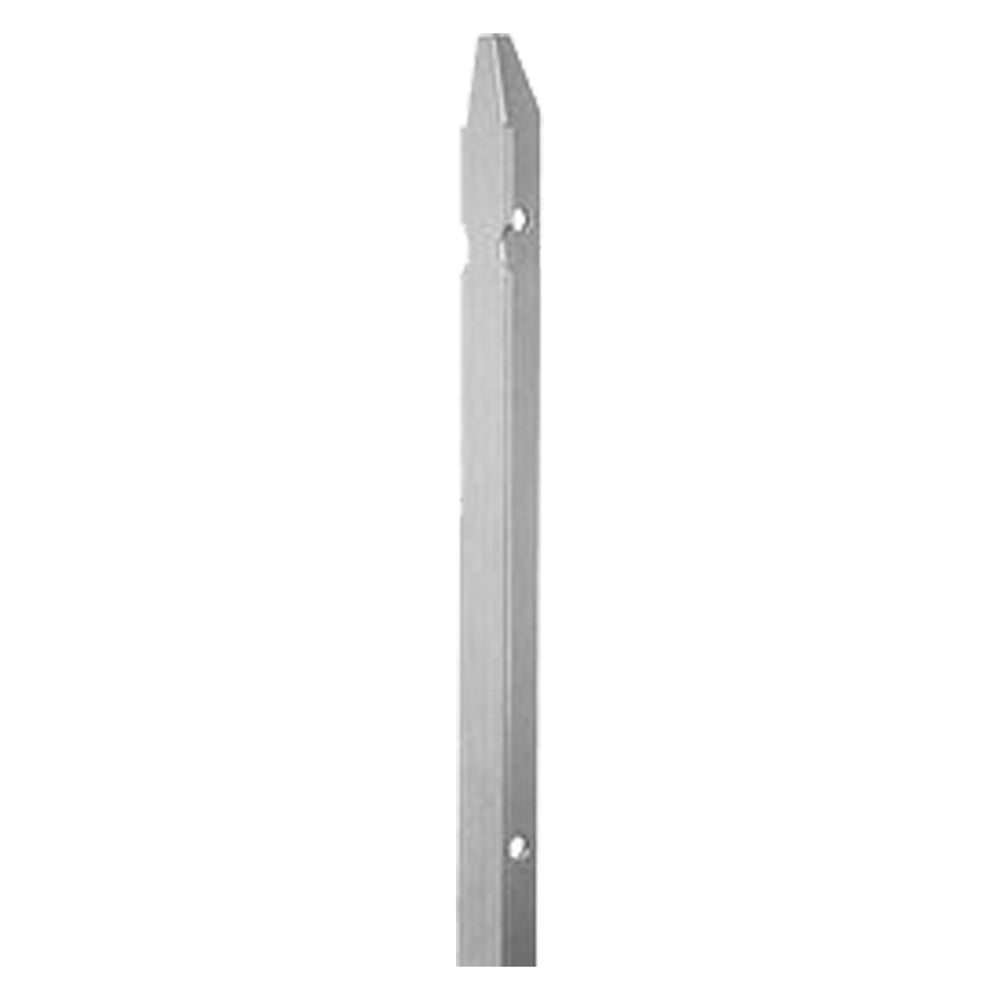
Fence Post is a technical solution designed for the structural support of fences, gates, and compatible boundary systems. This product is part of the professional LIF selection and is presented with useful data to compare function, measurements, and operating conditions, without recourse to unprovided adaptations.
For Fence Post, the declared configurations include: 100 cm - 30x30x3.0 mm; 125 cm - 30x30x3.0 mm; 150 cm - 30x30x3.0 mm; 175 cm - 30x30x3.0 mm; 200 cm - 35x35x3.5 mm; 225 cm - 35x35x3.5 mm; 250 cm - 35x35x3.5 mm; 200 cm - 35x35x3.0 mm; 225 cm - 35x35x3.0 mm; 250 cm - 35x35x3.0 mm. Identifying the correct version before purchase allows for assessing bulk, capacity, and compatibility with the equipment or intended environment.
✅ Specific Benefits in Use
In daily use, advantages primarily related to precision and correct selection emerge. In the case of the Fence Post, the main benefit is its ability to transfer fence stresses to the ground and maintain the defined alignment.
- Targeted efficiency: orderly alignment of the fence.
- Technical control: integration with braces and fasteners.
- Operational practicality: stability along the perimeter.
- Informed choice: localized maintenance of individual elements.
The performance of the Fence Post can change with material, adjustment, and intensity of use; initial verification therefore remains essential.
🧱 Materials, Structure, and Construction
The choice of materials affects resistance, maintenance, and operational behavior. For the Fence Post, the observable materials are metal. The profile, edges, holes, and coating must remain intact and correctly anchored to withstand the anticipated stresses.
The technical information available for the Fence Post specifies: Hot-dip galvanized 'T' iron. Made in Italy. Before use, check surfaces, fasteners, edges, and functional parts, avoiding modifications that could alter resistance or compatibility.
⚙️ Technical Data and Operational Function
Careful reading of specifications avoids improper assembly and ineffective use. For the Fence Post, height, section, thickness, profile, finish, and embedment depth determine rigidity and system compatibility. Variants must be compared considering the characteristics of the machine, the nature of the material to be processed, and the required performance level.
The function of the Fence Post is geared towards structural support for fences, gates, and compatible boundary systems. The described configuration includes 100 cm - 30x30x3.0 mm; 125 cm - 30x30x3.0 mm; 150 cm - 30x30x3.0 mm; 175 cm - 30x30x3.0 mm; 200 cm - 35x35x3.5 mm; 225 cm - 35x35x3.5 mm; cm; the manufacturer's manual remains the reference for limits, assembly, adjustments, and necessary protective devices.
🔧 Preparation and Method of Use
Accurate preparation makes work smoother and reduces unforeseen events. When using the Fence Post, use protective equipment consistent with the activity and prevent access to the operational area by uninvolved people or animals.
- Mark out the line, angles, and access points.
- Calculate spacing and depth.
- Prepare stable and aligned bases.
- Install the posts vertically.
- Attach the fence after consolidation.
During use of the Fence Post, check stability, noise, and the quality of the result; any anomaly requires immediate shutdown.
🧼 Cleaning, Storage, and Maintenance
For the Fence Post, visual inspection should become part of the normal operating routine. Check verticality, stability, corrosion, coating, and fasteners, promptly restoring loose elements.
Maintenance of the Fence Post does not require improvised interventions: use only compatible methods and products.
🏡 Areas of Professional Use
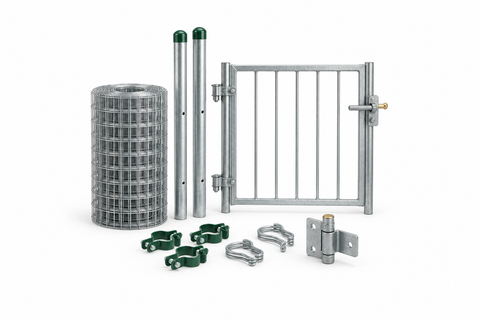
For the Fence Post, the main application includes support for wire fences, gates, and boundaries in agricultural land, farms, and outdoor spaces. The specific technical reference is: Hot-dip galvanized 'T' iron. Made in Italy. It can be found among the equipment of demanding private individuals, green space maintainers, and professional operators when characteristics and working conditions are compatible.
The Fence Post should be considered part of a system: machine, operator, and environment must be mutually compatible.
🎯 How to Identify the Correct Version
The best version is the one consistent with the machine, material, and frequency of use. For the Fence Post, calculate the height above ground and the part to be anchored, the distance between posts, section, finish, and fence load. Corners and ends require proportional reinforcement.
Do not rely solely on similarity: the Fence Post must correspond to the model, measurements, and function reported by the manufacturer.
WHY CHOOSE IT?
It stands out because the Fence Post transfers fence stresses to the ground and maintains the defined alignment. The description highlights the parameters that help understand where it can offer a concrete advantage.
Those who choose the Fence Post can rely on clear parameters to organize work and evaluate the expected result.