

















Description
🌿 Technical Solution for Professional Agricultural Work
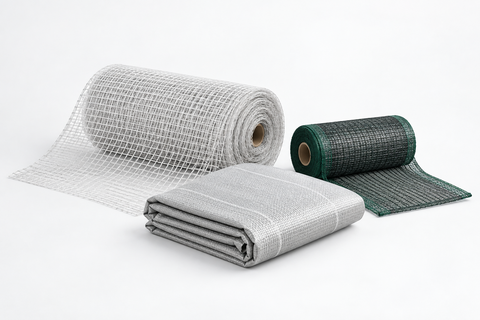
Sheet Polyethylene offers a recognizable and targeted configuration for crop protection, covering, and organization. The product belongs to the LIF proposal and is presented with a technical-commercial approach that allows understanding its function, configuration, and field of use without attributing undeclared characteristics.
✅ Concrete Benefits for the User
Careful selection allows for better use of the declared characteristics. In the case of Sheet Polyethylene, the main benefit concerns crop protection, covering, and organization, offering a clearer choice compared to normal operating conditions.
- Targeted choice: Sheet Polyethylene is identified through available models, variants, and characteristics.
- Work organization: the correct configuration reduces unnecessary adjustments and steps.
- Operational control: measurements and function can be evaluated before purchase.
- Professional value: the product is part of an equipment set up methodically.
- Informed management: limits and conditions of use remain verifiable in the manufacturer's documentation.
🧱 Materials, Structure, and Composition
The information available for Sheet Polyethylene indicates the following materials or composition: plastic or elastomeric material. The response to wear, humidity, loads, external agents, or cleaning depends on the nature of the product and the actual conditions of use.
The manufacturer specifies: Used in agriculture and construction. Color: neutral. Low density. This data allows distinguishing the described configuration from only similar items and should be read together with any labels, manuals, and markings present.
⚙️ Technical Characteristics and Operational Function
Before use, it is essential to correctly interpret the available data. For Sheet Polyethylene, relevant factors include measurements, material, model, attachments, capacity, configuration, and intensity of use. These elements must be compared with the environment, frequency of use, and required performance.
The function of Sheet Polyethylene is oriented towards crop protection, covering, and organization. The configurations H 10 m - L 25 m - T 0.2 mm; H 8 m - L 30 m - T 0.2 mm; H 2 m - L 130 m - T 0.2 mm; H 3 m - L 90 m - T 0.2 mm; H 4 m - L 65 m - T 0.2 mm; H 5 m - L 50 m - T 0.2 mm; H 6 m - L 45 m - T 0.2 mm; H 2 m - L 260 m - T 0.1 mm allow identifying the most suitable version, avoiding reliance solely on appearance or commercial name similarity.
For Sheet Polyethylene, the manual and manufacturer's instructions remain the reference for assembly, adjustments, limits, and protective devices. If essential data is not available, it is preferable to verify it before purchase or seek qualified technical assistance.
🔧 Usage and Application
Before using Sheet Polyethylene, prepare the area, check the variant, and remove conditions that may compromise stability, hygiene, or safety. Use must remain consistent with the declared purpose and the operator's experience.
- Check integrity, model, and measurements.
- Verify compatibility with the intended work.
- Prepare the area and protective devices.
- Perform assembly or adjustment without forcing.
- Conduct a controlled test.
- Stop work in case of abnormal behavior.
🧼 Cleaning, Checks, and Storage
Care after work directly impacts operational continuity. After use, Sheet Polyethylene must be freed from residues using methods compatible with plastic or elastomeric material, avoiding procedures that could damage surfaces or components.
🏡 Areas of Use and Compatibility
Sheet Polyethylene is intended for farms, vegetable gardens, vineyards, orchards, greenhouses, rural workshops, and maintenance areas compatible with activities related to crop protection, covering, and organization. Actual suitability depends on the chosen variant, environmental conditions, and specific manufacturer's instructions.
Visual similarity does not guarantee compatibility. For Sheet Polyethylene, it is necessary to compare measurements, material, model, attachments, capacity, configuration, and intensity of use, and verify every connection with machines, structures, animals, food, or materials involved.
🎯 How to Choose the Most Suitable Variant
The choice of Sheet Polyethylene should start with measurements, material, model, attachments, capacity, configuration, and intensity of use. The declared options — H 10 m - L 25 m - T 0.2 mm; H 8 m - L 30 m - T 0.2 mm; H 2 m - L 130 m - T 0.2 mm; H 3 m - L 90 m - T 0.2 mm; H 4 m - L 65 m - T 0.2 mm; H 5 m - L 50 m - T 0.2 mm; H 6 m - L 45 m - T 0.2 mm; H 2 m - L 260 m - T 0.1 mm — help to compare the configuration with the actual work and available space.
Before confirming, compare the full name of Sheet Polyethylene, technical data, and manufacturer's description. For spare parts, it is essential to verify the destination model; for regulated or food products, the official label and instructions always prevail.
WHY CHOOSE IT?
Because Sheet Polyethylene offers a recognizable solution for crop protection, covering, and organization, highlighting features, variants, and technical information useful for an informed choice.
It is a suitable proposal for those seeking clarity, practicality, and a professional approach. If correctly selected, used, and maintained, Sheet Polyethylene can help make work more organized and the control of normal activities simpler, in compliance with the manufacturer's instructions.