










Description
🔗 Precise Connection for Micro-irrigation Lines
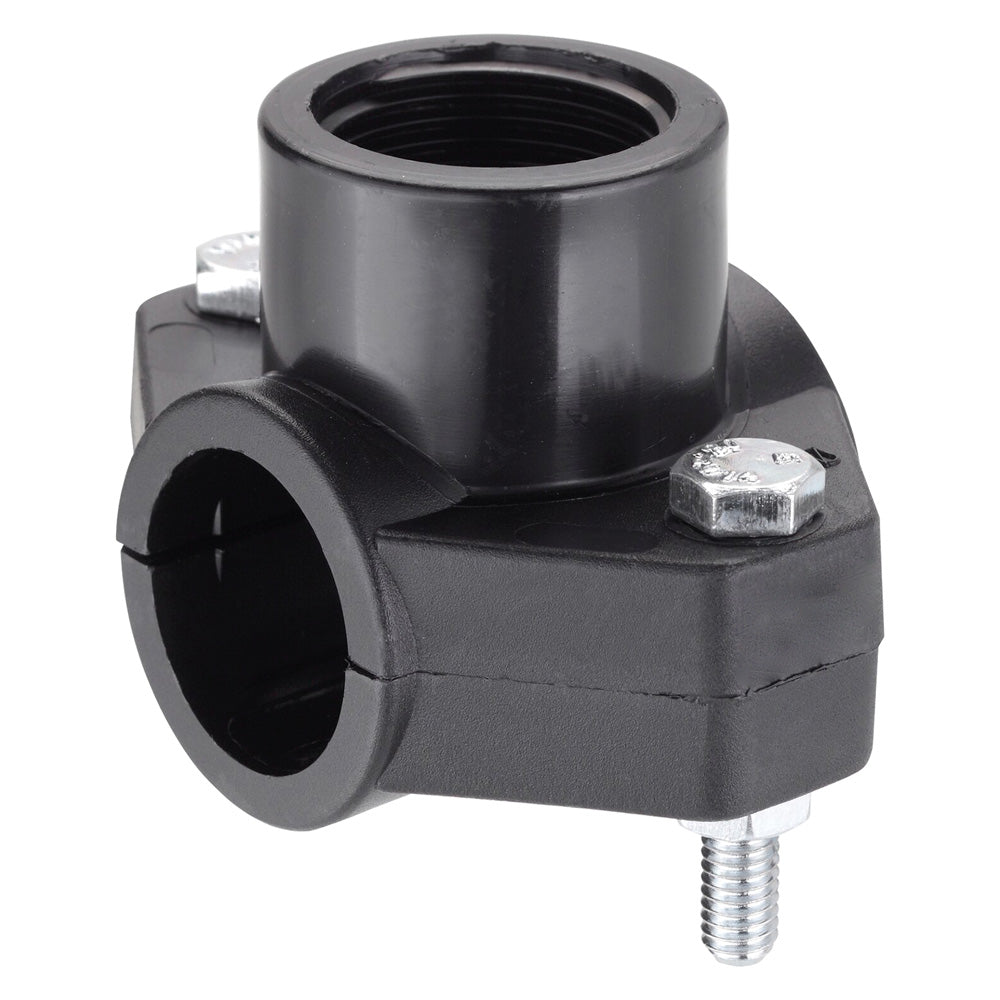
The Polypropylene Clamp Saddle combines verifiable features and targeted use for connecting, branching, reducing, and closing pipes in irrigation systems. This product from Irritec is presented with useful data to compare function, measurements, and operating conditions, without resorting to unforeseen adaptations.
For the Polypropylene Clamp Saddle, the declared configurations include: Ø 20 x 1/2 (2 bolts); Ø 25 x 1/2 (2 bolts); Ø 25 x 3/4 (2 bolts); Ø 32 x 1/2 (2 bolts); Ø 32 x 3/4 (2 bolts); Ø 32 x 1 (2 bolts); Ø 40 x 3/4 (2 bolts); Ø 40 x 1 (2 bolts); Ø 50 x 1 (2 bolts); Ø 63 x 1 (4 bolts); Ø 40 x 1/2 (2 bolts). Identifying the correct version before purchase allows for evaluating bulk, capacity, and compatibility with the equipment or intended environment.
✅ Specific Benefits in Use
In daily use, benefits mainly related to precision and correct selection emerge. In the case of the Polypropylene Clamp Saddle, the main benefit is that it allows building or modifying the circuit with a connection consistent with the required measurements and function.
- Targeted efficiency: neat connection between compatible pipes.
- Technical control: selection guided by diameters and threads.
- Operational practicality: creation of targeted curves and branches.
- Informed choice: verifiable seal after assembly.
Precise assembly and a suitable environment allow the Polypropylene Clamp Saddle to work without undue stress.
🧱 Materials, Structure, and Construction
Each component must maintain geometry and integrity during its intended use. For the Polypropylene Clamp Saddle, the detectable materials are plastic. Body, nuts, rings, and sealing surfaces must withstand the expected pressure and maintain geometry and tightness during operation.
The technical information available for the Polypropylene Clamp Saddle specifies: PN16. Before use, check surfaces, fastenings, edges, and functional parts, avoiding modifications that could alter strength or compatibility.
⚙️ Technical Data and Operational Function
Before choosing, one must start with the parameters that determine compatibility and performance. For the Polypropylene Clamp Saddle, the diameter, thread, connection type, nominal pressure, and fitting geometry must correspond to the pipes and components of the system. Variants must be compared considering the characteristics of the machine, the nature of the material to be treated, and the required performance level.
The function of the Polypropylene Clamp Saddle is aimed at connecting, branching, reducing, and closing pipes in irrigation systems. The described configuration includes Ø 20 x 1/2 (2 bolts); Ø 25 x 1/2 (2 bolts); Ø 25 x 3/4 (2 bolts); Ø 32 x 1/2 (2 bolts); Ø 32 x 3/4 (2 bolts); Ø 32 x 1 (2; the manufacturer's manual remains the reference for limits, assembly, adjustments, and necessary protective devices.
🔧 Preparation and Method of Use
Each use requires assembly, adjustment, and preliminary testing. When using the Polypropylene Clamp Saddle, use protective devices consistent with the activity and prevent access to the operating area by uninvolved persons or animals.
- Measure pipe and thread before assembly.
- Cut the pipe perpendicularly and clean the end.
- Insert each element in the intended sequence.
- Tighten evenly without damaging threads or nuts.
- Pressurize gradually and check each joint.
If the Polypropylene Clamp Saddle shows instability, friction, noise, or unexpected operation, stop work and inspect the system.
🧼 Cleaning, Storage, and Maintenance
For the Polypropylene Clamp Saddle, regular maintenance preserves functionality and precision. Inspect nuts, threads, and gaskets, remove dirt and residues from seats, and protect disassembled fittings from impacts, frost, and contamination.
After cleaning the Polypropylene Clamp Saddle, recheck fastenings and surfaces and choose a protected storage location.
🏡 Areas of Professional Use
For the Polypropylene Clamp Saddle, the main application includes connecting, branching, reducing, curving, closing, and distributing water in systems for vegetable gardens, gardens, greenhouses, and crops. The specific technical reference is: PN16. It can be part of the equipment for demanding private users, green space maintainers, and professional operators when characteristics and working conditions are compatible.
The Polypropylene Clamp Saddle should be considered part of a system: machine, operator, and environment must be mutually compatible.
🎯 How to Identify the Correct Version
The correct model is identified by starting from actual operating conditions. For the Polypropylene Clamp Saddle, note the pipe's outer diameter, thread size and type, nominal pressure, male or female configuration, and line direction. A similar measurement does not guarantee a correct seal.
Before assembling the Polypropylene Clamp Saddle, check all technical references and seek qualified assistance in case of uncertainty.
WHY CHOOSE IT?
It deserves attention because the Polypropylene Clamp Saddle allows building or modifying the circuit with a connection consistent with the required measurements and function. The description highlights the parameters that help understand where it can offer a concrete advantage.
The Polypropylene Clamp Saddle finds value in conscious use, based on compatibility, maintenance, and accurate preparation.