



































































Description
🛡️ Solid and Tidy Space Delimitation
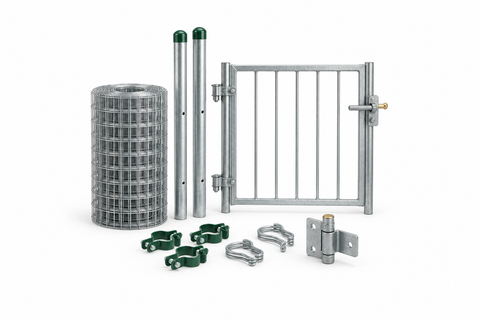
Triple Twist Netting was created to offer a concrete solution for those who need to manage the creation of fences, delimitations, protections, and containment in agricultural, zootechnical, and civil environments. The proposal belongs to Sidex and is presented with useful data to compare function, measurements, and operating conditions, without resorting to unforeseen adaptations.
For Triple Twist Netting, the declared configurations include: mm 16 x 2 (0.70) x cm 60; mm 19 x 2 (0.70) x cm 50; mm 19 x 2 (0.70) x cm 60; mm 19 x 2 (0.70) x cm 80; mm 19 x 2 (0.70) x cm 120; mm 19 x 2 (0.70) x cm 150; mm 25 x 3 (0.80) x cm 120; mm 51 x 6 (1.10) x cm 100; mm 51 x 6 (1.10) x cm 120; mm 51 x 6 (1.10) x cm 150; mm 51 x 6 (1.10) x cm 200; mm 51 x 4 (0.90) x cm 150. Identifying the correct version before purchase allows for evaluating bulk, capacity, and compatibility with the equipment or intended environment.
✅ Specific Benefits in Use
An adequate solution reduces adaptations and streamlines activity preparation. In the case of Triple Twist Netting, the main benefit is linked to creating a continuous barrier that can be sized according to the perimeter and the required containment level.
- Targeted efficiency: finishes suitable for declared conditions.
- Technical control: installation can be coordinated with posts and accessories.
- Operational practicality: visual inspection of integrity.
- Conscious choice: agricultural, zootechnical, and civil use.
The performance of Triple Twist Netting must be evaluated in real work, after checking assembly, adjustment, and compatibility.
🧱 Materials, Structure, and Construction
Each component must maintain geometry and integrity during its intended use. For Triple Twist Netting, the detectable materials are those declared in the manufacturer's technical data sheet. Wires, welds, twists, edges, and coatings must remain intact during transport, tensioning, and outdoor exposure.
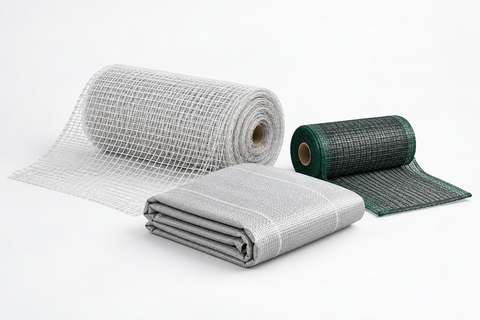
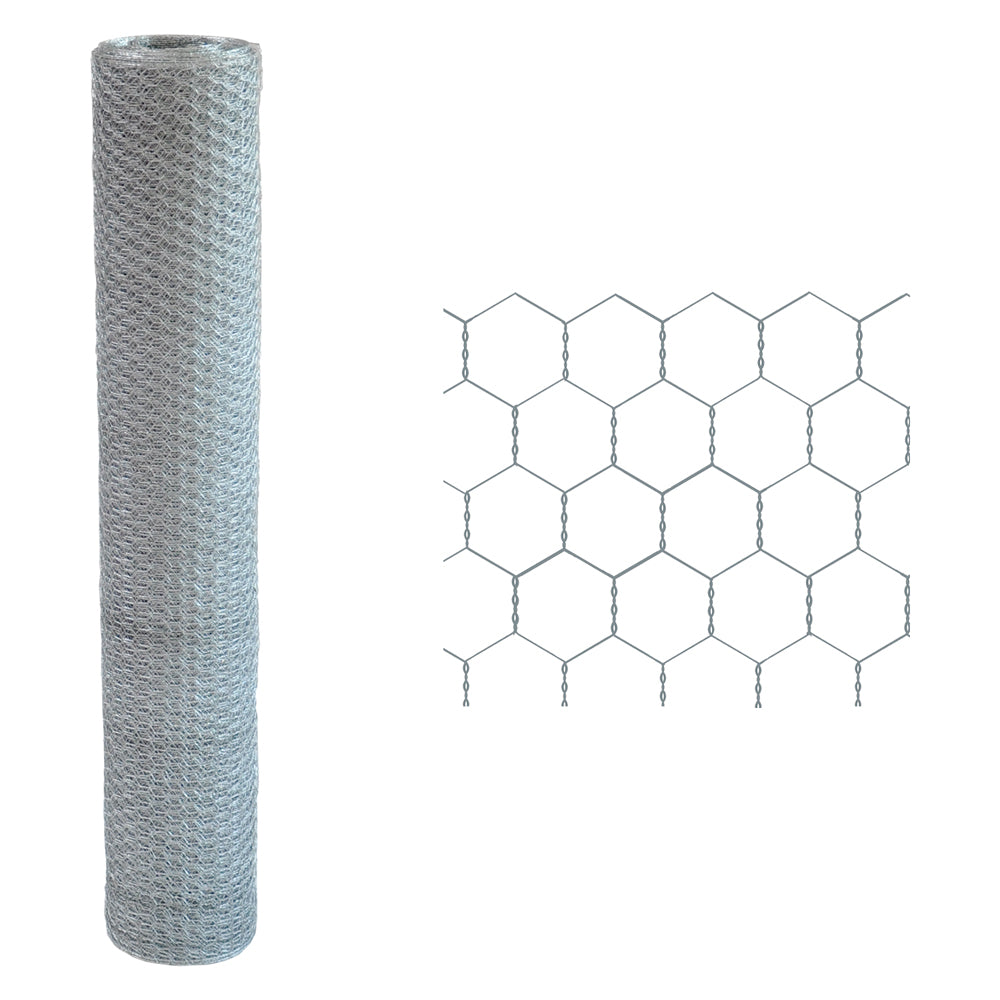
The technical information available for Triple Twist Netting specifies: Triple twist galvanized netting after weaving. Dimensions: mesh mm. x wire Ø JDP (mm) x h. in cm. Roll mt. 50. Before use, check surfaces, fasteners, edges, and functional parts, avoiding modifications that could alter strength or compatibility.
⚙️ Technical Data and Operational Function
Measurements and functional characteristics are not secondary details, but selection criteria. For Triple Twist Netting, height, length, mesh size, wire diameter, finish, and net structure define containment, rigidity, and installation. The variants must be compared considering the characteristics of the machine, the nature of the material to be treated, and the required performance level.
The function of Triple Twist Netting is aimed at creating fences, delimitations, protections, and containment in agricultural, zootechnical, and civil environments. The described configuration includes mm 16 x 2 (0.70) x cm 60; mm 19 x 2 (0.70) x cm 50; mm 19 x 2 (0.70) x cm 60; mm 19 x 2 (0.70) x cm 80; mm 19 x 2 (0.70) x cm 120; mm 19 x 2; the manufacturer's manual remains the reference for limits, assembly, adjustments, and necessary protective devices.
🔧 Preparation and Mode of Use
Each use requires assembly, adjustment, and preliminary testing. When using Triple Twist Netting, use protective devices consistent with the activity and prevent access to the operating area by people or animals not involved.
- Measure perimeter and elevation changes.
- Choose appropriate mesh, height, and wire.
- Install posts and reinforcements.
- Unroll without deforming the netting.
- Gradually tension and secure.
Observe the behavior of Triple Twist Netting in the first few minutes and stop the machine if the result becomes irregular.
🧼 Cleaning, Storage, and Maintenance
For Triple Twist Netting, regular maintenance preserves functionality and precision. Periodically inspect tension, fasteners, coating, and contact points with the ground or vegetation, intervening in deformed or corroded areas.
Triple Twist Netting should be stored clean and dry, away from impacts, heat, and humidity that could alter its materials.
🏡 Professional Application Areas
For Triple Twist Netting, the primary use includes fences for land, vegetable gardens, livestock farms, gardens, aviaries, and compatible civil or professional areas. The specific technical reference is: Triple twist galvanized netting after weaving. Dimensions: mesh mm. x wire Ø JDP (mm) x h. in cm. Roll mt. 50. It can be part of the equipment of demanding private individuals, green space maintenance workers, and professional operators when characteristics and working conditions are compatible.
Triple Twist Netting should not be extended by analogy to unintended contexts, even when the application appears similar.
🎯 How to Identify the Correct Version
The correct model is identified starting from the actual operating conditions. For Triple Twist Netting, compare function, height, mesh, diameter, roll length, galvanization or plastic coating, and distance between supports. Welded mesh, pastoral fencing, and triple twist netting meet different needs.
For Triple Twist Netting, the designation and measurements of the variant must match the destination system; in case of doubt, a technical check is necessary.
WHY CHOOSE IT?
It deserves attention because Triple Twist Netting creates a continuous barrier that can be sized according to the perimeter and the required containment level. The description highlights the parameters that help understand where it can offer a concrete advantage.
Those who choose Triple Twist Netting can rely on clear parameters to organize work and evaluate the expected result.