













































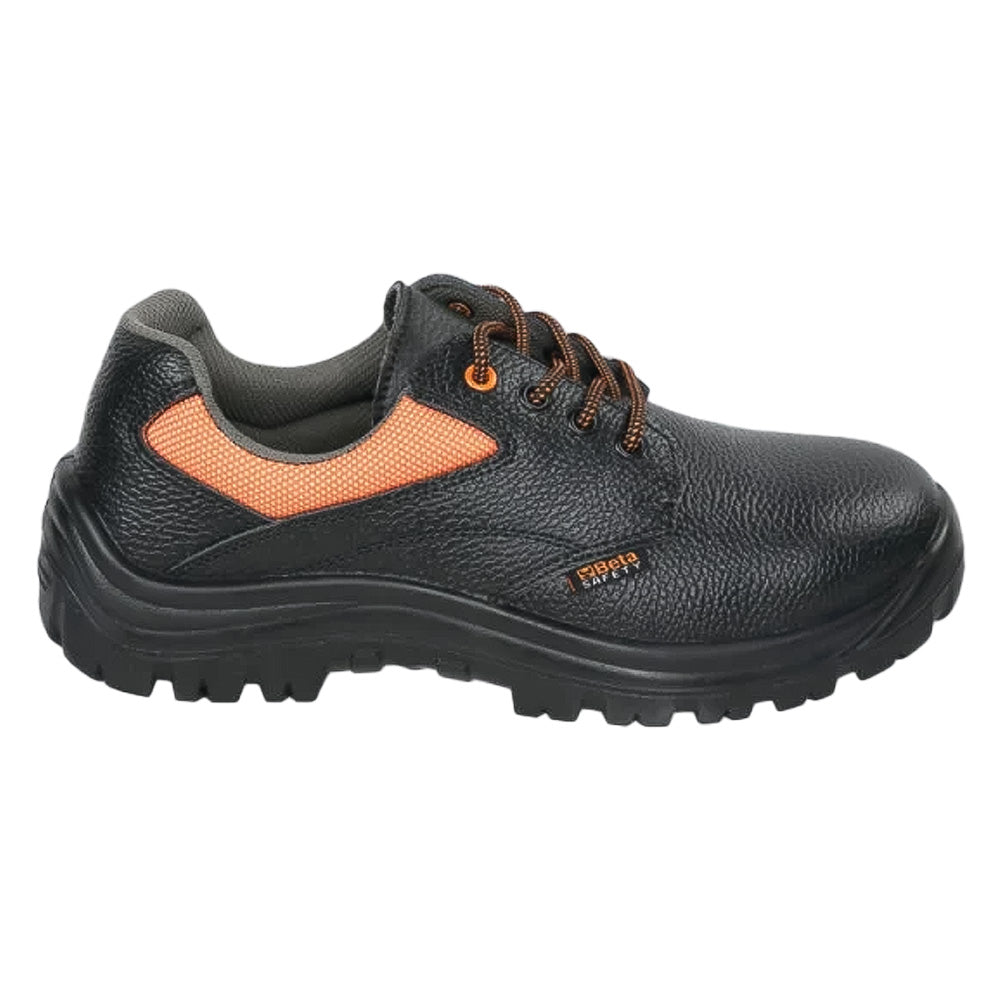



Description
🥾 Foot Protection And Stability
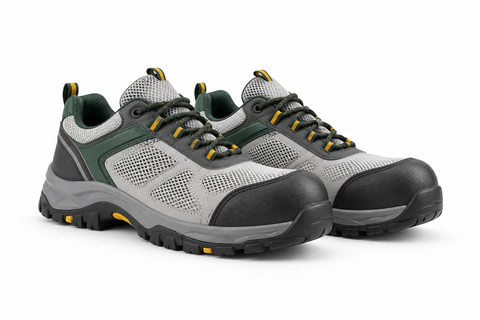
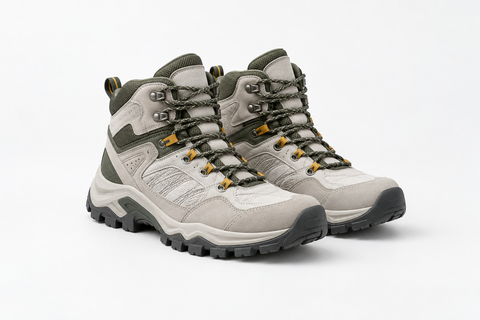
Safety Shoes meet the needs of operators and individuals requiring foot protection and stability in activities compatible with the declared class. The offering belongs to Beta and is presented with useful data to compare function, sizes, and operating conditions, without resorting to unforeseen adaptations.
For Safety Shoes, the declared configurations include: N. 35; N. 36; N. 37; N. 38; N. 39; N. 40; N. 41; N. 42; N. 43; N. 44; N. 45; N. 46; N. 47; N. 48. Identifying the correct version before purchase allows for evaluating bulk, capacity, and compatibility with the equipment or intended environment.
✅ Specific Benefits In Use
The practical value comes from the ability to choose a configuration consistent with the actual work. In the case of Safety Shoes, the main benefit is related to combining support, protection, and size selection to accompany daily work.
- Targeted efficiency: wear control.
- Technical control: professional use.
- Operational practicality: identifiable protection class.
- Informed choice: selectable sizes.
Precise fitting and a suitable environment allow Safety Shoes to work without improper stress.
🧱 Materials, Structure, And Construction
The choice of materials affects resistance, maintenance, and operational behavior. For Safety Shoes, the identifiable materials are leather or split leather, and polyurethane and metal. The upper, stitching, toe cap, midsole, and tread form a system that must not be modified or repaired improperly.
The technical information available for Safety Shoes specifies: Water-repellent leather upper, durable and non-slip (slip and oil resistant) dual-density polyurethane sole. Steel toe cap with resistance up to 200 joules and elastic steel anti-perforation midsole for complete foot protection. Felt carbon insole. Approximate weight 650 g. Protection class 'S3 FO SR'. Pigmented printed leather upper. Steel toe cap, resistance '200 Joule'. Before use, check surfaces, fasteners, edges, and functional parts, avoiding modifications that could alter resistance or compatibility.
⚙️ Technical Data And Operational Function
The correct configuration arises from comparing the declared data. For Safety Shoes, the size, shape, upper, toe cap, midsole, sole, and declared class determine fit and protection. Variants must be compared considering the characteristics of the machine, the nature of the material to be processed, and the required performance level.
The function of Safety Shoes is aimed at foot protection and stability in activities compatible with the declared class. The described configuration includes N. 35; N. 36; N. 37; N. 38; N. 39; N. 40; N. 41; N. 42; N. 43; N. 44; N. 45; N. 46; N. 47; N. 48; the manufacturer's manual remains the reference for limits, assembly, adjustments, and necessary protective devices.
🔧 Preparation And Usage Modes
Accurate preparation makes work smoother and reduces unforeseen events. When using Safety Shoes, use protective devices consistent with the activity and prevent access to the operating area by uninvolved persons or animals.
- Assess risks and surface.
- Choose size and class.
- Try on both shoes.
- Lace and adjust correctly.
- Clean and inspect after use.
During the use of Safety Shoes, check stability, noise, and quality of the result; any anomaly requires immediate stopping.
🧼 Cleaning, Storage, And Maintenance
For Safety Shoes, regular cleaning and checks prevent small residues from causing wear. Clean without aggressive solvents, dry away from heat, and replace after significant impacts or tread wear.
After cleaning Safety Shoes, recheck fasteners and surfaces and choose a protected storage location.
🏡 Areas of Professional Use
For Safety Shoes, the main application areas include construction sites, workshops, warehouses, agriculture, and activities compatible with the indicated class. The specific technical reference is: Water-repellent leather upper, durable and non-slip (slip and oil resistant) dual-density polyurethane sole. The toe cap can be found in the equipment of demanding private individuals, green space maintainers, and professional operators when characteristics and working conditions are compatible.
Before using Safety Shoes in a new situation, compare materials, stresses, and limits with the technical documentation.
🎯 How To Identify The Correct Version
No single configuration is suitable for every situation. For Safety Shoes, compare size, fit, risks, working surface, season, and normative class; try on both shoes with your usual socks.
Before fitting Safety Shoes, check all technical references and seek qualified assistance in case of uncertainty.
WHY CHOOSE IT?
It is a convincing choice because Safety Shoes combine support, protection, and size selection to accompany daily work. The description highlights the parameters that help understand where it can offer a concrete advantage.
Safety Shoes are dedicated to those seeking functionality, control, and technical consistency in a carefully selected solution.