


Description
🥾 Foot Protection And Stability
Safety Shoes represent a technical solution aimed at protecting and stabilizing the foot in activities compatible with the declared class. The proposal belongs to Upower and is presented with data useful for comparing function, measurements, and operating conditions, without resorting to unforeseen adaptations.
For Safety Shoes, the declared configurations include: N. 38; N. 39; N. 40; N. 41; N. 42; N. 43; N. 44; N. 45; N. 46. Identifying the correct version before purchase allows for evaluating bulk, capacity, and compatibility with the equipment or destination environment.
✅ Specific Benefits In Use
An adequate solution reduces adaptations and streamlines activity preparation. In the case of Safety Shoes, the main benefit is related to combining support, protection, and size selection to accompany daily work.
- Targeted efficiency: support during walking.
- Technical control: wear control.
- Operational practicality: professional use.
- Informed choice: identifiable protection class.
The performance of Safety Shoes must be evaluated in real work, after verifying assembly, adjustment, and compatibility.
🧱 Materials, Structure And Construction
Materials and construction determine how the product reacts to wear and the environment. For Safety Shoes, the detectable materials are leather or split leather and metal. Upper, stitching, toe cap, midsole, and tread form a system that must not be modified or improperly repaired.
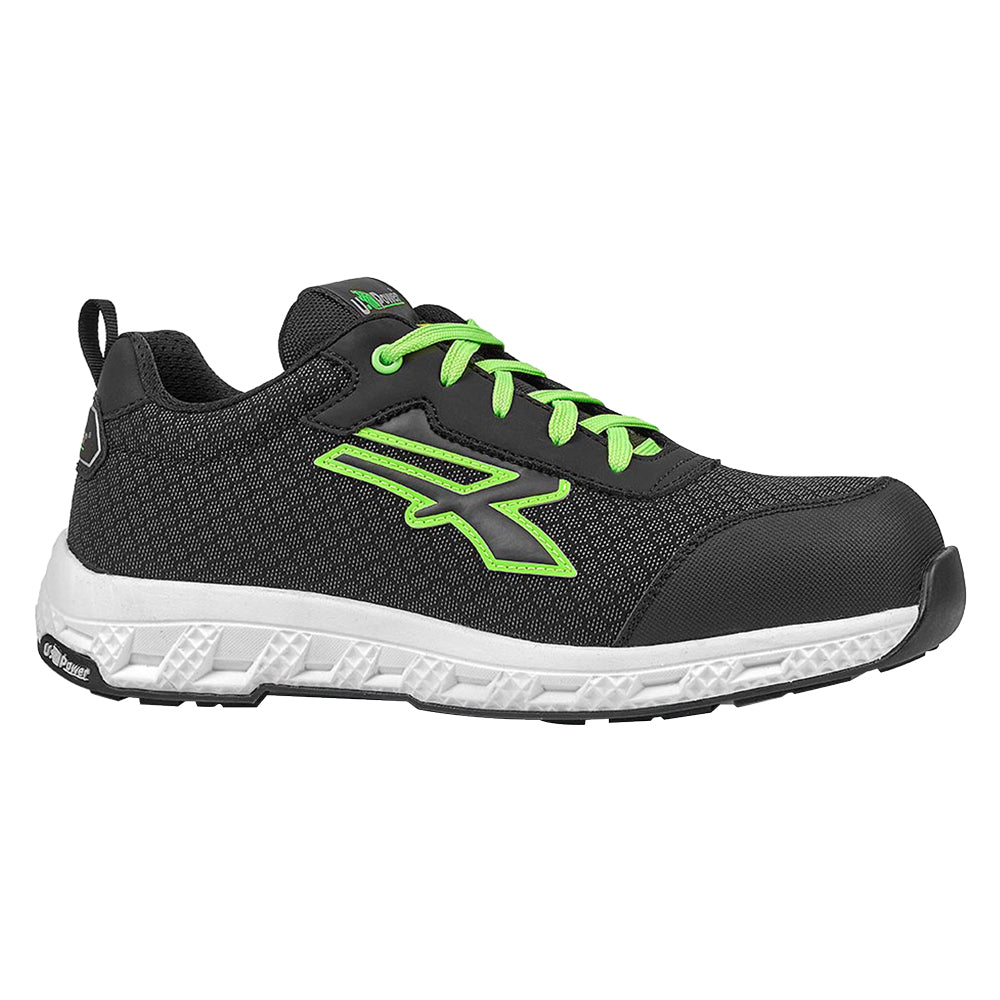
The technical information available for Safety Shoes specifies: Putek Hexagon upper, highly abrasion-resistant, water-repellent and breathable. The Fibertoe toe cap resists impacts up to 200J, while the ultra-light anti-perforation insole ensures maximum safety against puncture risks. The footwear is completely metal-free. Before use, check surfaces, fastenings, edges, and functional parts, avoiding modifications that could alter resistance or compatibility.
⚙️ Technical Data And Operational Function
Measurements and functional characteristics are not secondary details, but rather selection criteria. For Safety Shoes, number, shape, upper, toe cap, sole, and declared class determine fit and protection. Variations must be compared considering the characteristics of the machine, the nature of the material to be treated, and the required performance level.
The function of Safety Shoes is geared towards foot protection and stability in activities compatible with the declared class. The described configuration includes N. 38; N. 39; N. 40; N. 41; N. 42; N. 43; N. 44; N. 45; N. 46; the manufacturer's manual remains the reference for limits, assembly, adjustments, and necessary protective devices.
🔧 Preparation And Usage Methods
Each use requires assembly, adjustment, and preliminary testing. When using Safety Shoes, use protective devices consistent with the activity and prevent access to the operational area by uninvolved persons or animals.
- Evaluate risks and surface.
- Choose size and class.
- Try on both shoes.
- Lace and adjust correctly.
- Clean and inspect after use.
Continuous operation with Safety Shoes is only possible in the absence of play, vibrations, and signs of abnormal wear.
🧼 Cleaning, Storage And Maintenance
For Safety Shoes, visual inspection must become part of the normal operational routine. Clean without aggressive solvents, dry away from heat, and replace after significant impacts or tread wear.
Before storing Safety Shoes, remove residue, allow materials to dry, and separate any damaged components.
🏡 Areas Of Professional Use
For Safety Shoes, the main use includes construction sites, workshops, warehouses, agriculture, and activities compatible with the indicated class. The specific technical reference is: Putek Hexagon upper, highly abrasion-resistant, water-repellent, and breathable. The Fibertoe toe cap resists It can be part of the equipment for demanding private individuals, green space maintainers, and professional operators when characteristics and working conditions are compatible.
For Safety Shoes, environment, frequency, and material treated affect the result; any different use must be verified beforehand.
🎯 How To Identify The Correct Version
The choice must prioritize compatibility and results, not just size or appearance. For Safety Shoes, compare size, fit, risks, working surface, season, and regulatory class; try on both shoes with your usual socks.
Do not rely solely on similarity: Safety Shoes must correspond to the model, measurements, and function reported by the manufacturer.
WHY CHOOSE IT?
It offers value in daily work because Safety Shoes combine support, protection, and size selection to accompany daily work. The description highlights the parameters that help understand where it can offer a concrete advantage.
Choosing Safety Shoes means favoring a verifiable solution, to be used in compliance with the foreseen technical conditions.