




Description
💧 Water Collection And Surface Protection
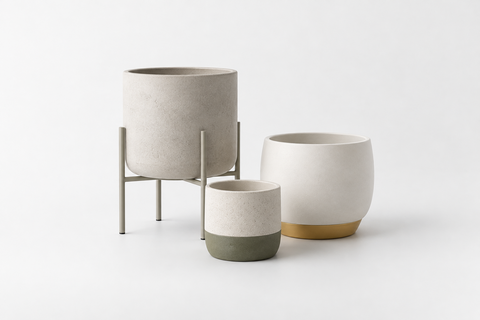
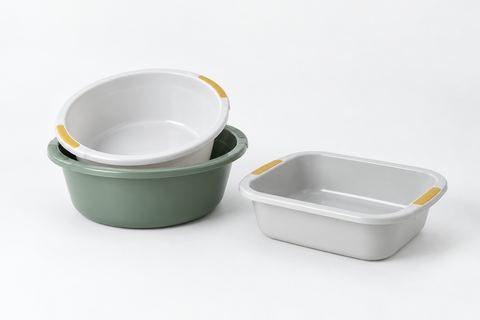
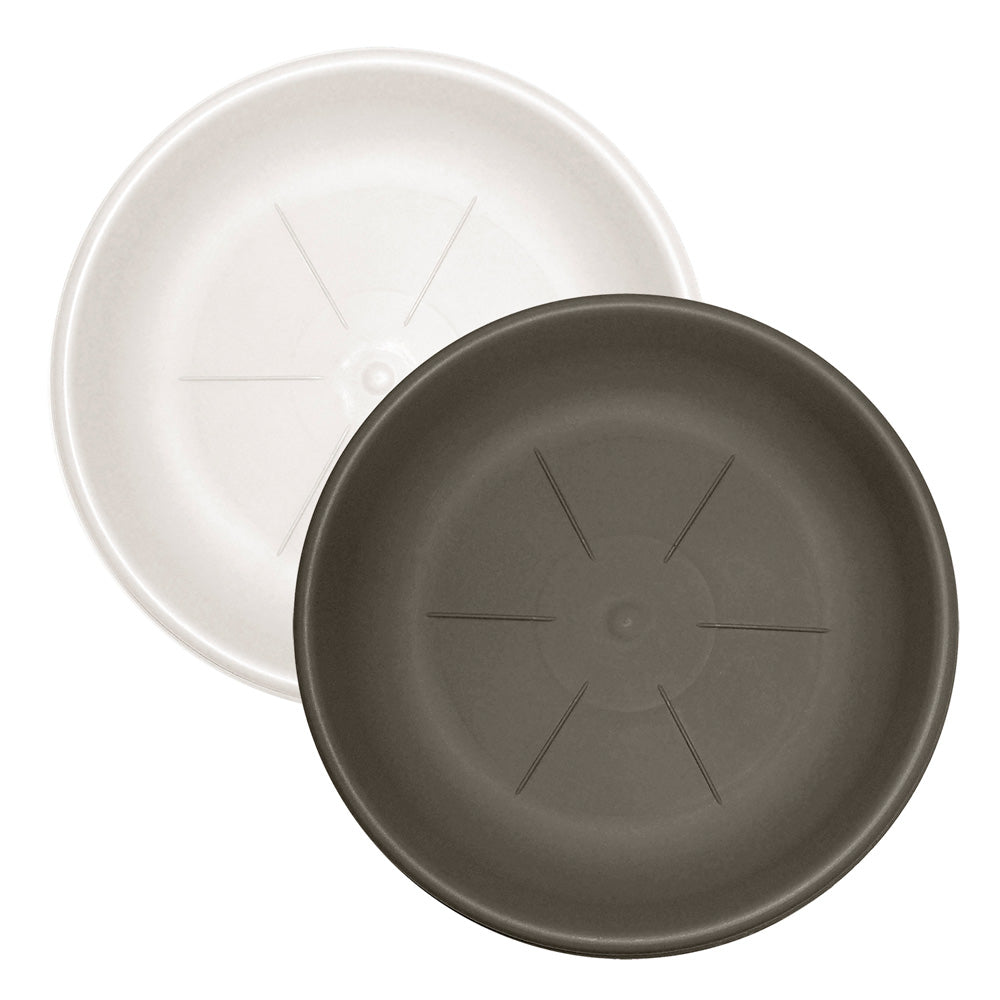
Saucer represents a technical solution designed for collecting excess water and providing an organised base for pots and planters in indoor and outdoor spaces. The product belongs to Bama and is presented with useful data to compare its function, measurements and operating conditions, without resorting to unprovided adaptations.
For Saucer, the declared configurations include: ø 22 for ø 25 pot - white; ø 22 for ø 25 pot - cappuccino; ø 26 for ø 30 pot - white; ø 26 for ø 30 pot - cappuccino; ø 30 for ø 35 pot - white; ø 30 for ø 35 pot - cappuccino; ø 35 for ø 40 pot - white; ø 35 for ø 40 pot - cappuccino. Identifying the correct version before purchase allows for evaluation of dimensions, capacity and compatibility with the equipment or intended environment.
✅ Specific Benefits Of Use
In daily use, advantages emerge primarily related to precision and correct selection. In the case of the Saucer, the main benefit is linked to collecting drainage and creating a more organised base for the compatible container.
- Targeted efficiency: protection of the underlying surface.
- Technical control: controlled collection of excess water.
- Operational practicality: measurements compatible with the indicated pots.
- Informed choice: more organised positioning of the arrangement.
Saucer expresses its value when correctly matched to the machine and used within the declared specifications.
🧱 Materials, Structure And Construction
The choice of materials affects resistance, maintenance and operational behaviour. For Saucer, the detectable materials are plastic. The bottom, rim and support points must remain flat and intact to support the pot and contain water consistently with the capacity.
The available technical information for Saucer specifies: Made of polypropylene. Before use, check surfaces, fastenings, rims and functional parts, avoiding modifications that could alter resistance or compatibility.
⚙️ Technical Data And Operational Function
Technical differences between versions directly affect the field of use. For Saucer, diameter, shape, depth, capacity and correspondence with the pot's base determine stability and collection capacity. Variants must be compared considering the characteristics of the machine, the nature of the material to be treated and the required performance level.
The function of Saucer is oriented towards collecting excess water and providing an organised base for pots and planters in indoor and outdoor spaces. The described configuration includes ø 22 for ø 25 pot - white; ø 22 for ø 25 pot - cappuccino; ø 26 for ø 30 pot - white; ø 26 for ø 30 pot - cappuccino; ø 30 for ø; the manufacturer's manual remains the reference for limits, assembly, adjustments and necessary protective devices.
🔧 Preparation And Mode Of Use
Each use requires assembly, adjustment and preliminary testing. When using Saucer, use protective devices consistent with the activity and prevent access to the operational area by uninvolved persons or animals.
- Precisely measure the base of the pot.
- Choose compatible shape and size.
- Place on a flat surface.
- Centre the pot without loading the rim.
- Check and empty collected water.
Continuous operation with Saucer is only possible in the absence of play, vibrations and signs of abnormal wear.
🧼 Cleaning, Storage And Maintenance
For Saucer, regular maintenance preserves functionality and precision. Empty stagnant water when necessary, remove residues and limescale, and check that the base, wheels or platform are not deformed.
To store Saucer, avoid aggressive solvents, dry all surfaces and replace worn parts before reuse.
🏡 Professional Application Areas
For Saucer, the main intended use includes supporting pots and planters on balconies, terraces, pavements and surfaces that require management of drained water. The specific technical reference is: Made of polypropylene. It can be included in the equipment of demanding private individuals, green space maintenance workers and professional operators when characteristics and working conditions are compatible.
Saucer should not be extended by analogy to unintended contexts, even when the application appears similar.
🎯 How To Identify The Correct Version
The choice should prioritise compatibility and results, not just size or appearance. For Saucer, measure the base of the pot, not just the upper diameter, and check overall dimensions, depth and load. For models with wheels, consider surface and stability.
Comparing Saucer with the manual, attachments and actual dimensions before purchase avoids unauthorised modifications.
WHY CHOOSE IT?
It is recommended for an informed purchase because Saucer collects drainage and creates a more organised base for the compatible container. The description highlights the parameters that help understand where it can offer a concrete advantage.
Those who choose Saucer can rely on clear parameters to organise work and evaluate the expected result.