






















































Description
🥾 Foot Protection And Stability
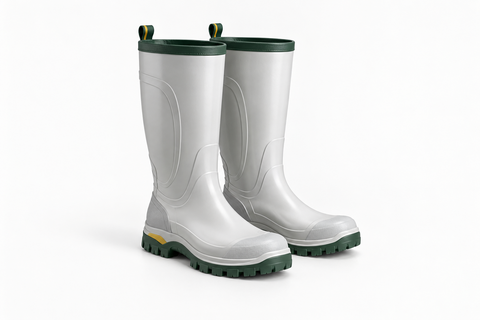
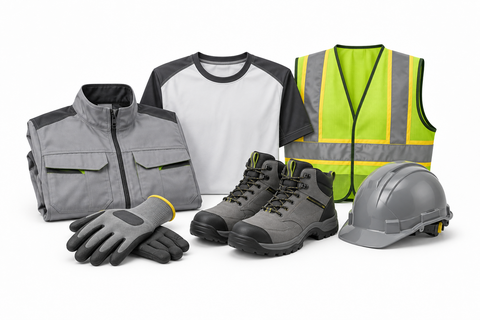
Safety Boots combine verifiable features and targeted use for foot protection and stability in activities compatible with the declared class. This product belongs to the professional LIF selection and is presented with useful data to compare function, measurements, and operating conditions, without resorting to unforeseen adaptations.
For Safety Boots, the declared configurations include: Size 40 - yellow; Size 41 - yellow; Size 42 - yellow; Size 43 - yellow; Size 44 - yellow; Size 45 - yellow; Size 46 - yellow; Size 40 - blue; Size 41 - blue; Size 42 - blue; Size 43 - blue; Size 44 - blue; Size 45 - blue; Size 46 - blue; Size 39 - yellow. Identifying the correct version before purchase allows for assessing bulk, capacity, and compatibility with equipment or the intended environment.
✅ Specific Benefits In Use
The practical value comes from the ability to choose a configuration consistent with the actual work. In the case of Safety Boots, the main benefit is related to combining support, protection, and size selection to accompany daily work.
- Targeted efficiency: professional use.
- Technical control: identifiable protection class.
- Operational practicality: selectable sizes.
- Informed choice: tread for compatible surfaces.
The performance of Safety Boots must be evaluated in real work, after checking assembly, adjustment, and compatibility.
🧱 Materials, Structure, And Construction
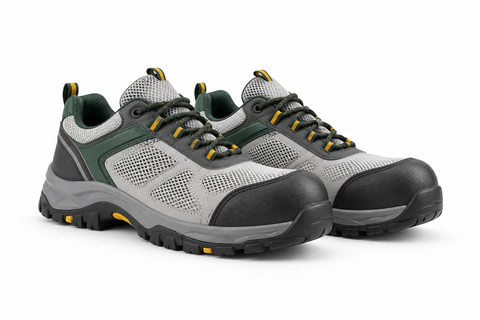
Each component must maintain geometry and integrity during its intended use. For Safety Boots, the identifiable materials are cotton, metal, and plastic. Upper, stitching, toe cap, midsole, and tread form a system that must not be modified or improperly repaired.
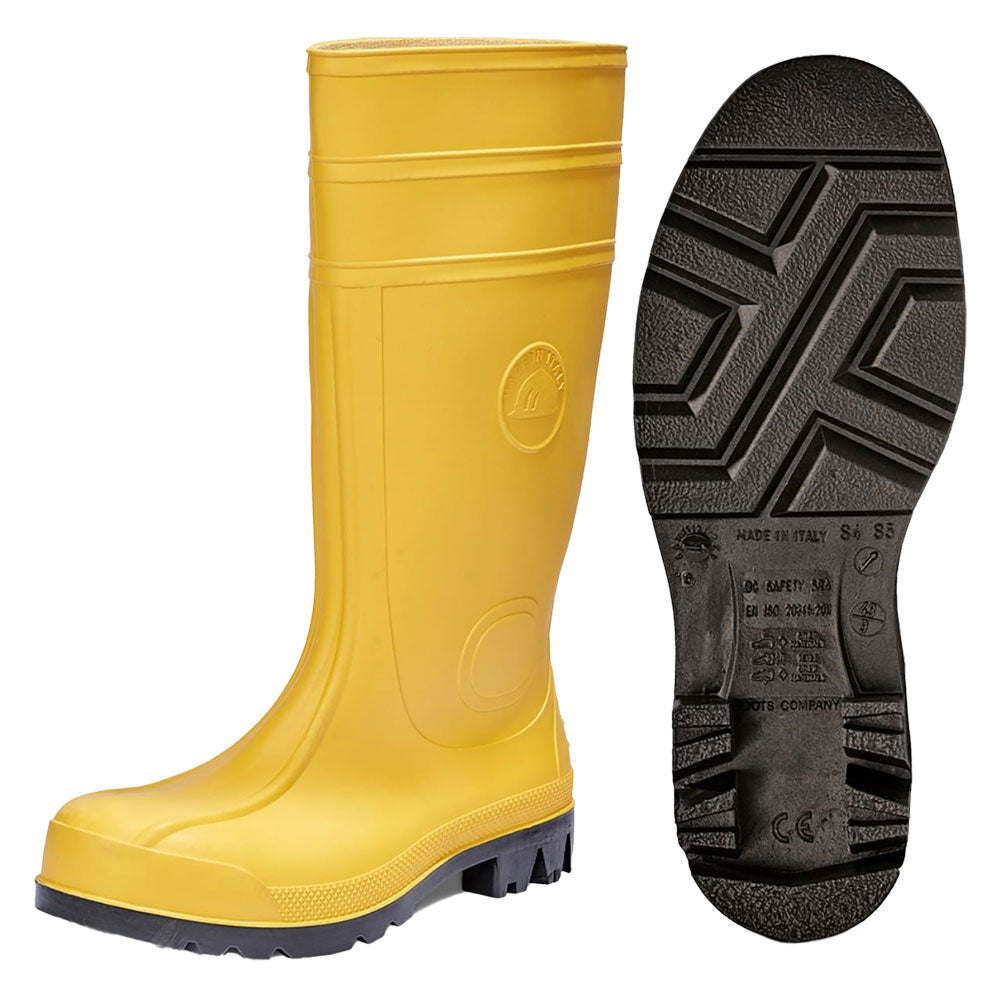
The technical information available for Safety Boots specifies: Made of PVC, cotton knit lining. Steel toe cap and insole, grey sole. According to CE EN ISO 20345 standards. S5 protection. Before use, check surfaces, fastenings, edges, and functional parts, avoiding modifications that could alter resistance or compatibility.
⚙️ Technical Data And Operational Function
Measurements and functional characteristics are not secondary details, but selection criteria. For Safety Boots, size, shape, upper, toe cap, sole plate, sole, and declared class determine fit and protection. Variants must be compared considering the characteristics of the machine, the nature of the material to be handled, and the required performance level.
The function of Safety Boots is geared towards foot protection and stability in activities compatible with the declared class. The described configuration includes Size 40 - yellow; Size 41 - yellow; Size 42 - yellow; Size 43 - yellow; Size 44 - yellow; Size 45 - yellow; Size 46 - yellow; Size 40 - blue; Size 41 - blue; Size 42 - blue; Size 43 - blue; Size 44 - blue; Size 45 - blue; Size 46 - blue; Size 39 - yellow; the manufacturer's manual remains the reference for limits, assembly, adjustments, and necessary protective devices.
🔧 Preparation And Method Of Use
The correct procedure protects the product and improves the quality of the intervention. When using Safety Boots, use protective devices consistent with the activity and prevent access to the operational area by uninvolved persons or animals.
- Assess risks and surface.
- Choose size and class.
- Try on both shoes.
- Lace and adjust correctly.
- Clean and inspect after use.
Safety Boots must operate without unusual vibrations, loosening, or sudden variations: in these cases, stop the activity.
🧼 Cleaning, Storage, And Maintenance
For Safety Boots, visual inspection should become part of the normal operational routine. Clean without aggressive solvents, dry away from heat, and replace after significant impacts or tread wear.
Orderly storage of Safety Boots facilitates subsequent inspection and prevents avoidable deformation or deterioration.
🏡 Areas Of Professional Use
For Safety Boots, the main applications include construction sites, workshops, warehouses, agriculture, and activities compatible with the indicated class. The specific technical reference is: Made of PVC, cotton knit lining. Steel toe cap and insole, grey sole. According to CE EN ISO 20345 standards. It can be part of the equipment for demanding private individuals, green space maintainers, and professional operators when characteristics and working conditions are compatible.
Actual conditions may modify the response of Safety Boots; consult the instructions before changing environment or function.
🎯 How To Identify The Correct Version
The correct model is identified by starting from actual operating conditions. For Safety Boots, compare size, fit, risks, working surface, season, and regulatory class; try on both shoes with your usual socks.
The choice of Safety Boots requires checking each option, especially in the presence of rotating parts or motorized components.
WHY CHOOSE IT?
It deserves attention because Safety Boots combine support, protection, and size selection to accompany daily work. The description highlights the parameters that help understand where it can offer a concrete advantage.
Choosing Safety Boots means prioritizing a verifiable solution, to be used in compliance with the foreseen technical conditions.