

































































Description
🧯 Containment And Pouring Of Compatible Fluids
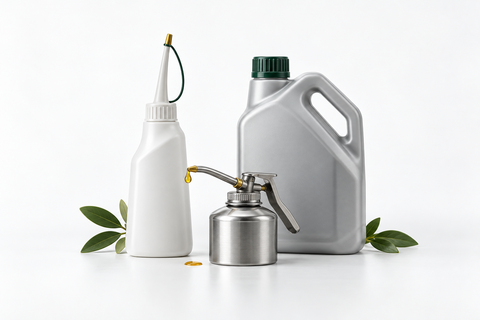
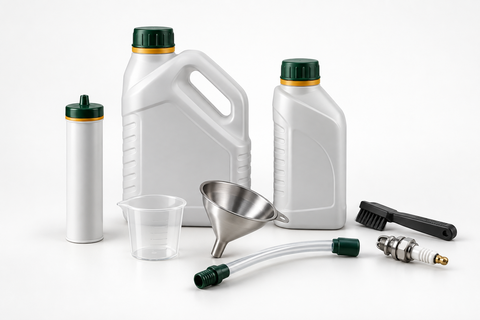
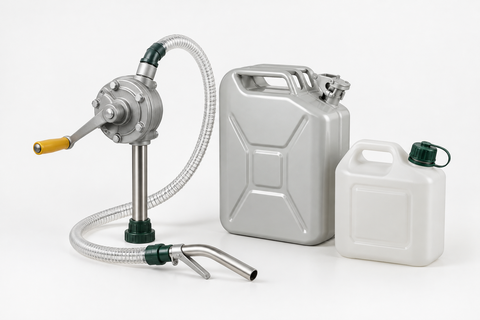
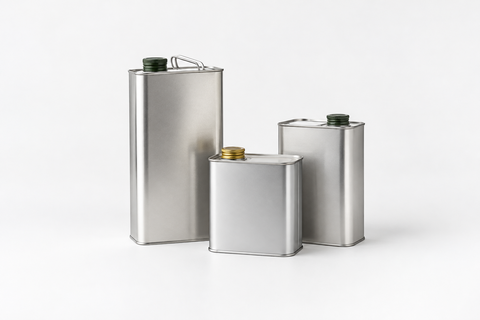
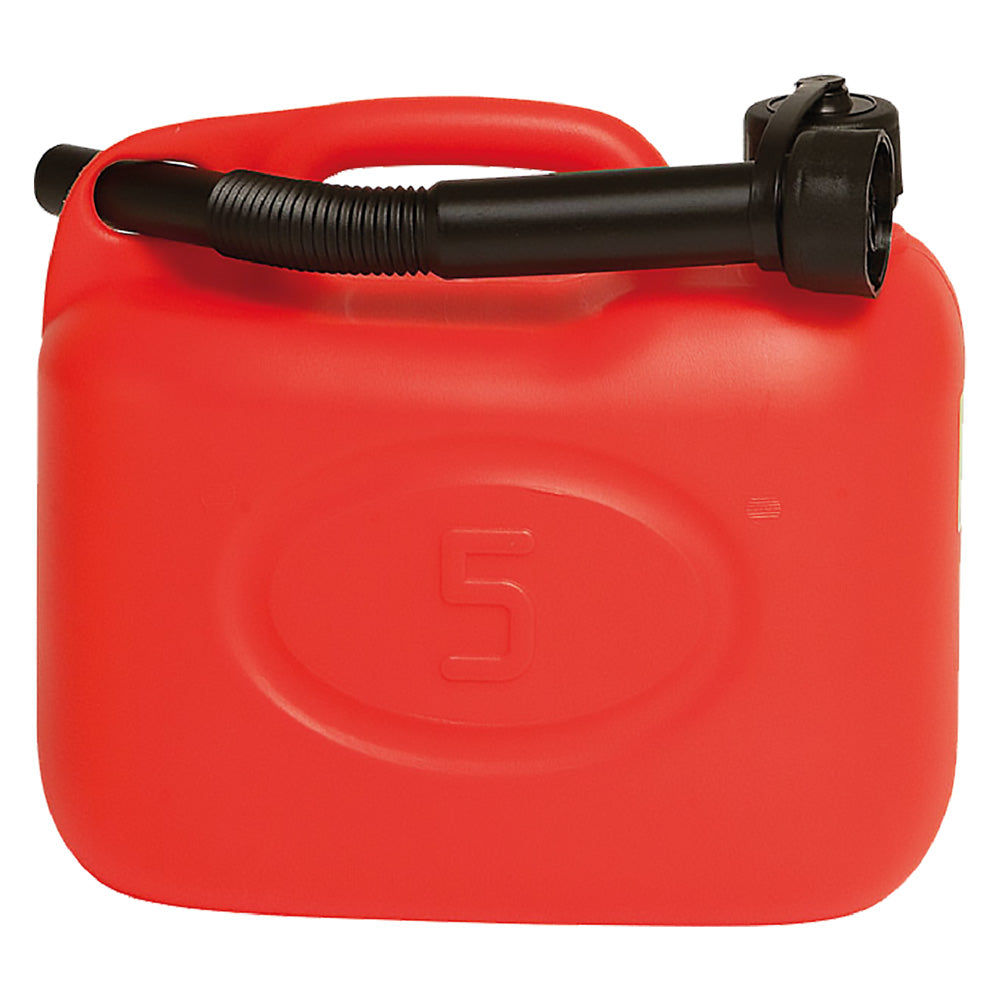
Fuel Can meets the needs of operators and private individuals involved in the containment, transport or pouring of fluids expressly compatible with the declared material and homologation. The proposal belongs to the professional LIF selection and is presented with useful data to compare function, measurements and operating conditions, without resorting to unprovided adaptations.
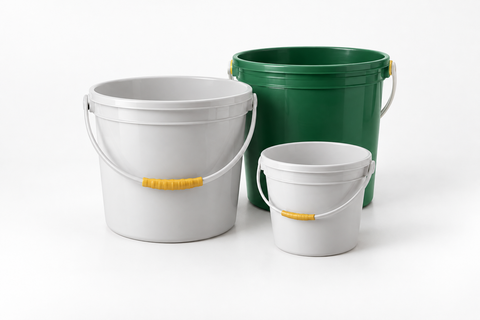
For Fuel Can, the declared configurations include: 5 lt; 10 lt; 20 lt. Identifying the correct version before purchasing allows for evaluating bulk, capacity and compatibility with the equipment or destination environment.
✅ Specific Benefits In Use
The practical value derives from the possibility of choosing a configuration consistent with the actual work. In the case of the Fuel Can, the main benefit is related to keeping the fluid in a recognizable container prepared for its management.
- Targeted efficiency: replaceable gaskets.
- Technical control: more orderly transport.
- Operational practicality: selectable capacities.
- Informed choice: dedicated closure.
With the Fuel Can, the quality of the result and durability depend on accurate installation, area conditions and compliance with declared limits.
🧱 Materials, Structure And Construction
Structure and composition must be read in relation to the expected stresses. For Fuel Can, the detectable materials are plastic material. Body, welds, cap, gaskets and spout must remain intact; plastic, steel and seals must be expressly compatible with the fluid.
The technical information available for Fuel Can specifies: In polyethylene, 'UN' approved for both road and sea transport. Equipped with a flexible spout. Before use, check surfaces, fastenings, edges and functional parts, avoiding modifications that could alter resistance or compatibility.
⚙️ Technical Data And Operational Function
The correct configuration arises from comparing the declared data. For Fuel Can, capacity, material, closure, homologation, spout and gasket determine the destination and safety of the container. Variants must be compared considering the characteristics of the machine, the nature of the material to be treated and the required performance level.
The function of Fuel Can is aimed at the containment, transport or pouring of fluids expressly compatible with the declared material and homologation. The described configuration includes 5 lt; 10 lt; 20 lt; the manufacturer's manual remains the reference for limits, assembly, adjustments and necessary protective devices.
🔧 Preparation And Mode Of Use
Use must begin with a complete check of the area and the product. When using Fuel Can, use protective devices consistent with the activity and prevent access to the operational area by uninvolved people or animals.
- Check fluid and homologation.
- Check cap and gaskets.
- Fill within the indicated limits.
- Transport vertically and secured.
- Store in a suitable place.
During use of the Fuel Can, check stability, noise and quality of the result; any anomaly requires immediate shutdown.
🧼 Cleaning, Storage And Maintenance
For Fuel Can, proper care after work prolongs the useful life of the components. Store closed, upright and away from heat; check for corrosion, deformation and gaskets without transferring the contents into anonymous containers.
After cleaning the Fuel Can, recheck fastenings and surfaces and choose a protected storage location.
🏡 Professional Areas Of Use
For Fuel Can, the main destination includes containment, transport and pouring of fuels or fluids only when permitted by the manufacturer. The specific technical reference is: In polyethylene, 'UN' approved for both road and sea transport. Equipped with a flexible spout. It can find a place in the equipment of demanding private individuals, green space maintainers and professional operators when characteristics and working conditions are compatible.
The Fuel Can must be considered part of a system: machine, operator and environment must be mutually compatible.
🎯 How To Identify The Correct Version
The choice must prioritize compatibility and result, not just size or appearance. For Fuel Can, check fluid, capacity, required homologations, material, closure, spout compatibility and transport conditions.
Before assembling the Fuel Can, check every technical reference and ask for qualified assistance in case of uncertainty.
WHY CHOOSE IT?
It represents a concrete proposal because the Fuel Can keeps the fluid in a recognizable container prepared for its management. The description highlights the parameters that help to understand where it can offer a concrete advantage.
With the correct configuration, the Fuel Can helps to make the activity more orderly and proportionate to the needs.