














Description
🔵 Polyethylene Pipe for Water Transport
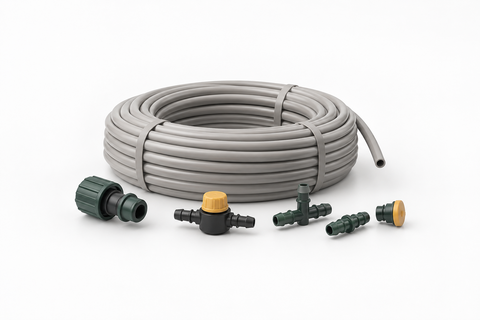
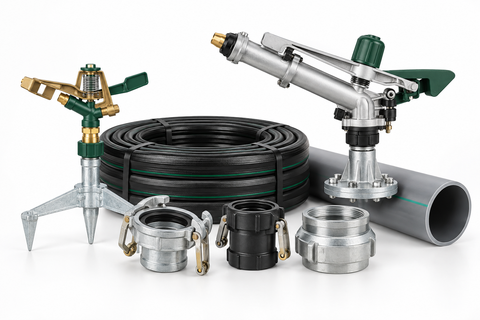
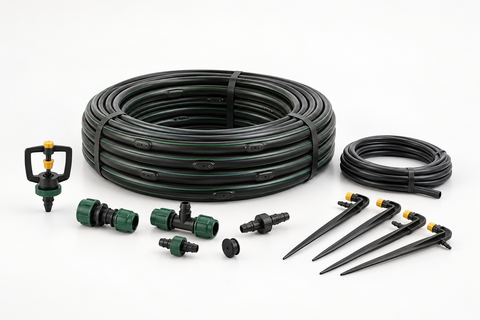
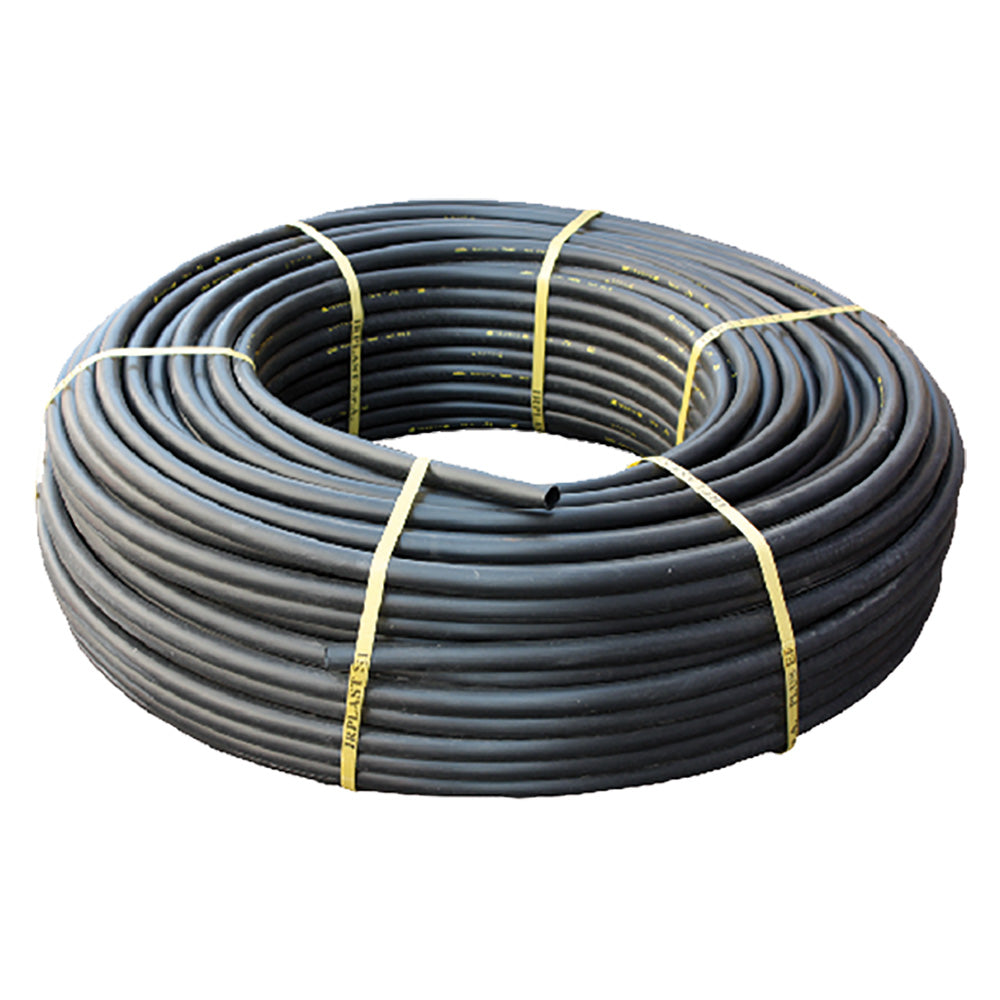
Polyethylene Pipe has been selected to methodically address activities related to the creation of main and secondary lines for water transport in irrigation systems. The proposal belongs to Irritec and is presented with useful data to compare function, measurements, and operating conditions, without resorting to unforeseen adaptations.
For Polyethylene Pipe, the declared configurations include: ø 16 mt. 200 PN 4; ø 40 mt. 100 PN 4; ø 16 mt. 25 PN 4; ø 16 mt. 50 PN 4; ø 16 mt. 50 PN 6. Identifying the correct version before purchase allows for evaluating bulk, capacity, and compatibility with the equipment or destination environment.
✅ Specific Benefits of Use
The user can compare the decisive elements before starting work. In the case of Polyethylene Pipe, the main benefit is related to creating a continuous line to convey water to sections and branches of the system.
- Targeted efficiency: possibility of creating branches along the line.
- Technical control: maintenance concentrated at connection points.
- Operational practicality: organized water transport.
- Informed choice: clearly selectable diameter and nominal pressure.
Precise assembly and an adequate environment allow Polyethylene Pipe to work without improper stress.
🧱 Materials, Structure, and Construction
Structure and composition must be considered in relation to anticipated stresses. For Polyethylene Pipe, the detectable materials are plastic. The polyethylene wall must be protected from incisions, crushing, and excessive bending that could reduce resistance and useful cross-section.
The technical information available for Polyethylene Pipe specifies: Low density (PELD) for irrigation use. Before use, check surfaces, fixings, edges, and functional parts, avoiding modifications that could alter resistance or compatibility.
⚙️ Technical Data and Operational Function
The correct configuration arises from comparing the declared data. For Polyethylene Pipe, diameter, length, nominal pressure, thickness, and compatible fittings define the flow rate, laying, and role of the piping in the system. The variants must be compared considering the characteristics of the machine, the nature of the material to be treated, and the required performance level.
The function of Polyethylene Pipe is geared towards the creation of main and secondary lines for water transport in irrigation systems. The described configuration includes ø 16 mt. 200 PN 4; ø 40 mt. 100 PN 4; ø 16 mt. 25 PN 4; ø 16 mt. 50 PN 4; ø 16 mt. 50 PN 6; the manufacturer's manual remains the reference for limits, assembly, adjustments, and necessary protective devices.
🔧 Preparation and Usage
Before operation, it is necessary to prepare the machine, accessories, and work area. When using Polyethylene Pipe, use protective devices consistent with the activity and prevent access to the operating area by uninvolved persons or animals.
- Define path, flow rate, and required pressure.
- Unroll the pipe on a surface free of sharp edges.
- Make perpendicular cuts with suitable tools.
- Assemble fittings and valves of the correct size.
- Pressurize progressively, checking the path and joints.
Continuous operation with Polyethylene Pipe is only possible in the absence of play, vibrations, and signs of abnormal wear.
🧼 Cleaning, Storage, and Maintenance
For Polyethylene Pipe, visual inspection should become part of the normal operating routine. Inspect the path, protect the pipe from sharp edges and impacts, check joints and terminals, and manage emptying and freezing according to the design.
Before storing Polyethylene Pipe, remove residues, allow materials to dry, and separate any damaged components.
🏡 Professional Fields of Application
For Polyethylene Pipe, the main destination includes main and secondary lines for vegetable gardens, gardens, greenhouses, nurseries, and compatible micro-irrigation systems. The specific technical reference is: Low density (PELD) for irrigation use. It can be found in the equipment of demanding private individuals, green maintenance workers, and professional operators when characteristics and working conditions are compatible.
Polyethylene Pipe should not be extended by analogy to unforeseen contexts, even when the application appears similar.
🎯 How to Identify the Correct Version
The choice must prioritize compatibility and results, not just size or appearance. For Polyethylene Pipe, size the diameter and pressure according to flow rate, length, height difference, and available fittings. Check the bending radius and laying conditions above ground or according to technical specifications.
A check of the manual confirms whether Polyethylene Pipe has truly suitable connections, dimensions, and characteristics.
WHY CHOOSE IT?
It stands out because Polyethylene Pipe creates a continuous line to convey water to sections and branches of the system. The description highlights the parameters that help understand where it can offer a concrete advantage.
With the correct configuration, Polyethylene Pipe helps make the activity more organized and proportionate to the needs.