

















Description
🔵 Polyethylene Pipe for Water Transport
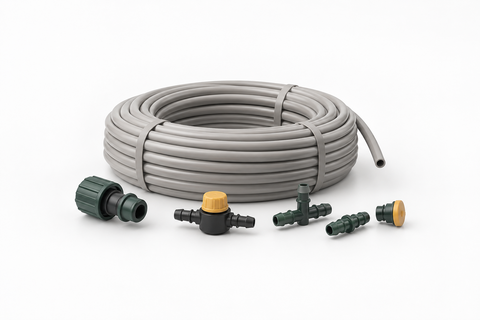
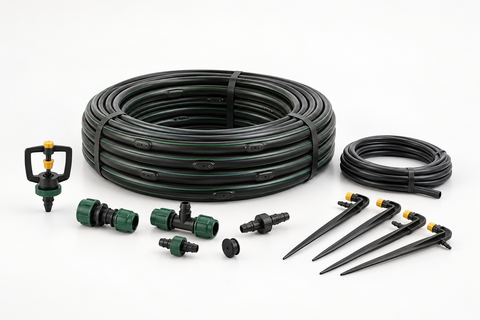
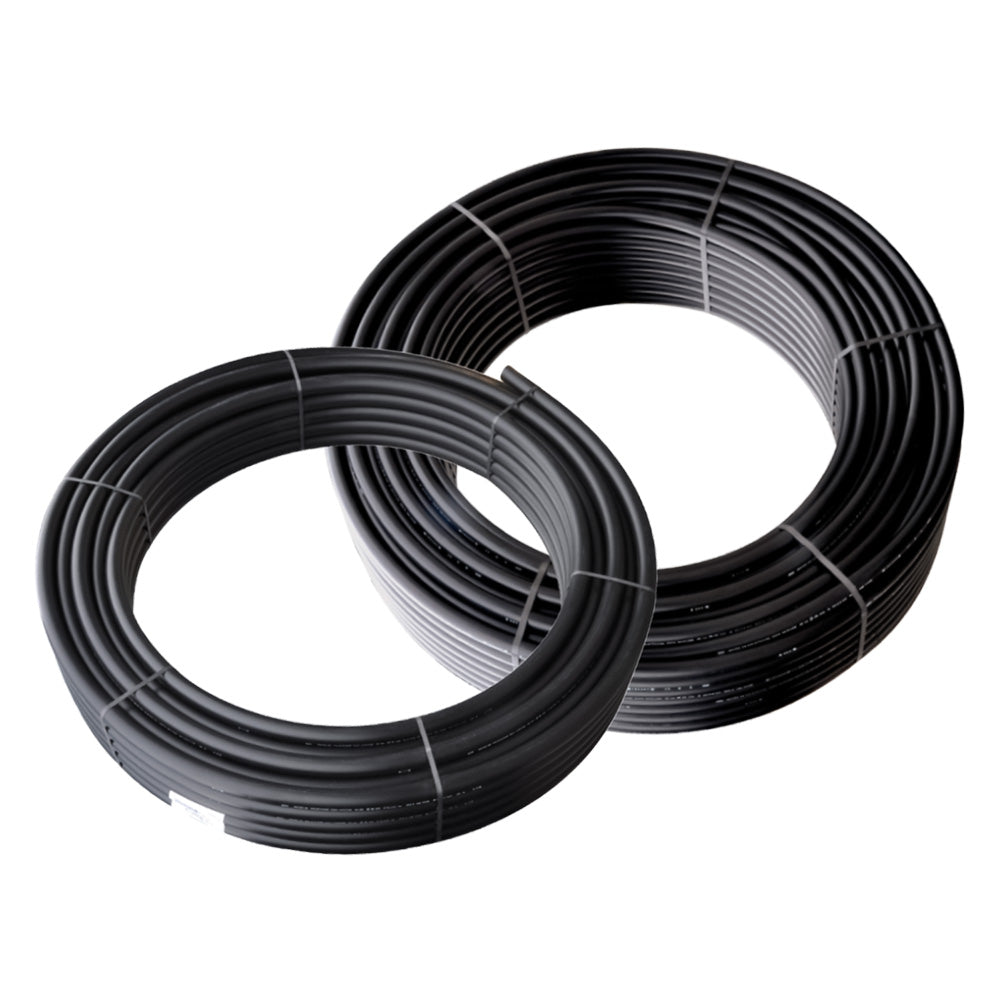
Polyethylene Pipe has been selected to methodically address activities related to the construction of main and secondary lines for water transport in irrigation systems. The proposal comes from Irritec and is presented with useful data for comparing function, measurements, and operating conditions, without resorting to unforeseen adaptations.
For Polyethylene Pipe, the declared configurations include: Ø 16 m. 200 PN 6; Ø 20 m. 200 PN 4; Ø 20 m. 200 PN 6; Ø 25 m. 200 PN 4; Ø 25 m. 200 PN 6; Ø 32 m. 200 PN 4; Ø 32 m. 200 PN 6; Ø 40 m. 100 PN 4; Ø 40 m. 100 PN 6. Identifying the correct version before purchase allows for assessing bulk, capacity, and compatibility with the equipment or destination environment.
✅ Specific Benefits of Use
An adequate solution reduces adaptations and streamlines activity preparation. In the case of Polyethylene Pipe, the main benefit is related to creating a continuous line to convey water to sections and branches of the system.
- Targeted efficiency: maintenance focused on connection points.
- Technical control: orderly water transport.
- Operational practicality: diameter and nominal pressure clearly selectable.
- Informed choice: compatibility with appropriate compression fittings.
Polyethylene Pipe demonstrates its value when correctly matched with the machine and used within declared specifications.
🧱 Materials, Structure, and Construction
Perceived quality also depends on the consistency between material and function. For Polyethylene Pipe, the detectable materials are plastic. The polyethylene wall must be protected from cuts, crushing, and excessive bending that could reduce resistance and useful cross-section.
The technical information available for Polyethylene Pipe specifies: Low density, flexible, and resistant to external agents. Suitable for water distribution in irrigation systems for vegetable gardens, gardens, greenhouses, and agricultural areas. Before use, check surfaces, fastenings, edges, and functional parts, avoiding modifications that could alter resistance or compatibility.
⚙️ Technical Data and Operational Function
Performance depends on the combination of product, machine, and operating conditions. For Polyethylene Pipe, diameter, length, nominal pressure, thickness, and compatible fittings define flow rate, installation, and the role of the piping in the system. Variants must be compared considering machine characteristics, the nature of the material to be treated, and the required performance level.
The function of Polyethylene Pipe is aimed at the construction of main and secondary lines for water transport in irrigation systems. The described configuration includes Ø 16 m. 200 PN 6; Ø 20 m. 200 PN 4; Ø 20 m. 200 PN 6; Ø 25 m. 200 PN 4; Ø 25 m. 200 PN 6; Ø 32 m. 200 PN 4; Ø 32 m. 200 PN 6; Ø 40; the manufacturer's manual remains the reference for limits, assembly, adjustments, and necessary protective devices.
🔧 Preparation and Method of Use
Accurate preparation makes work smoother and reduces unforeseen events. When using Polyethylene Pipe, use protective devices consistent with the activity and prevent access to the operating area by uninvolved persons or animals.
- Define path, flow rate, and required pressure.
- Unroll the pipe on a surface free of sharp edges.
- Make perpendicular cuts with suitable tools.
- Assemble fittings and valves of the correct size.
- Pressurize progressively, checking the path and joints.
During the use of Polyethylene Pipe, check stability, noise, and quality of the result; any anomaly requires immediate shutdown.
🧼 Cleaning, Storage, and Maintenance
For Polyethylene Pipe, simple but constant interventions keep the product ready for use. Inspect the path, protect the pipe from sharp edges and impacts, check joints and terminals, and manage emptying and freezing according to the design.
Before storing Polyethylene Pipe, remove residues, allow materials to dry, and separate any damaged components.
🏡 Professional Application Areas
For Polyethylene Pipe, the main destination includes main and secondary lines for vegetable gardens, gardens, greenhouses, nurseries, and compatible micro-irrigation systems. The specific technical reference is: Low density, flexible, and resistant to external agents. Suitable for water distribution in irrigation systems for It can be used by demanding individuals, green space maintainers, and professional operators when characteristics and working conditions are compatible.
Actual conditions may alter the response of Polyethylene Pipe; consult the indications before changing environment or function.
🎯 How to Identify the Correct Version
The best version is one that is consistent with the machine, material, and frequency of use. For Polyethylene Pipe, size diameter and pressure relative to flow rate, length, elevation difference, and available fittings. Verify bending radius and laying conditions above ground or according to technical indications.
Before mounting Polyethylene Pipe, check all technical references and seek qualified assistance in case of uncertainty.
WHY CHOOSE IT?
It stands out because Polyethylene Pipe creates a continuous line to convey water to sections and branches of the system. The description highlights the parameters that help understand where it can offer a concrete advantage.
Polyethylene Pipe finds value in conscious use, based on compatibility, maintenance, and accurate preparation.